ABSTRACT
Mood disorders, including major depressive disorder, bipolar disorder, generalized anxiety disorder, and posttraumatic stress disorder, constitute a primary source of global disability, and with conventional monoamine-targeted pharmacotherapy, approximately one-third of patients remain with treatment-resistant disease. Over the past decade, the microbiota-gut-brain axis (MGBA) has emerged as a systems-level pathophysiological framework that explains the chronic neuroinflammation, hypothalamic-pituitary-adrenal axis hyperactivity, and impaired neuroplasticity that characterize treatment-resistant mood disorders. Short-chain fatty acids (SCFAs) are key molecular mediators in MGBA signaling, exerting epigenetic regulation through the inhibition of histone deacetylase, suppression of microglial toll-like receptor 4/nuclear factor-kappa B signaling, reinforcement of intestinal and blood-brain barrier integrity, and rebalancing of tryptophan–kynurenine metabolism. A few small randomized controlled trials and meta-analyses have reported that restoring SCFA output using next-generation psychobiotics (Faecalibacterium prausnitzii, Akkermansia muciniphila, and Clostridium butyricum), prebiotic-rich dietary patterns, defined synbiotics, and direct postbiotic supplementation is associated with symptom improvement, although the evidence base remains preliminary, and have been proposed as candidate prognostic biomarkers. This narrative review synthesizes 2022 to 2026 mechanistic and clinical evidence on SCFA-producing psychobiotics in mood disorders; integrates these findings within a clinical nutrition framework that positions dietary fiber, microbiota-accessible carbohydrates, and targeted psychobiotic supplementation as legitimate adjuncts to conventional psychopharmacology; and discusses the translational challenges of strain specificity, dosing variability, and precision-psychobiotic medicine. Nevertheless, current evidence remains dominated by preclinical models, with human trials constrained by size, duration, and number.
-
Keywords: Fatty acids; Microbiota; Brain-gut axis; Major depressive disorder
INTRODUCTION
Major depressive disorder (MDD), generalized anxiety disorder, bipolar disorder (BD), and posttraumatic stress disorder (PTSD) collectively constitute one of the most urgent global health crises of the 21st century, with the World Health Organization estimating that mood and anxiety disorders together affect more than 580 million people worldwide and represent the single largest contributor to years lived with disability [
1]. Despite this escalating epidemiological pressure, conventional pharmacotherapy anchored in the monoamine hypothesis, primarily selective serotonin reuptake inhibitors (SSRIs) and serotonin–norepinephrine reuptake inhibitors (SNRIs), has reached an unmistakable efficacy plateau, with delayed onset of action, modest initial remission rates, and substantial gastrointestinal and metabolic adverse effects continuing to undermine clinical utility. Approximately one-third of patients with MDD fail to achieve remission after two or more adequate antidepressant trials, fulfilling current criteria for treatment-resistant depression (TRD) [
2]. Moreover, the persistent neurobiological hallmarks of TRD, such as chronic low-grade neuroinflammation, aberrant synaptic plasticity, hippocampal volumetric loss, and sustained hypothalamic-pituitary-adrenal (HPA) axis hyperactivity, argue compellingly for therapeutic strategies that move beyond the narrow synaptic monoamine framework toward systemic, multiorgan pathophysiology.
Within this context, biological psychiatry has undergone an intense paradigm shift over the past decade, recognizing the gastrointestinal tract and its resident microbial ecosystem as a profound modulator of central nervous system (CNS) function through the microbiota-gut-brain axis (MGBA) [
3]. The human gut harbors more than 100 trillion microorganisms whose collective metagenome significantly exceeds the host genome and engage in continuous bidirectional crosstalk with the CNS through neural, endocrine, immune, and metabolic pathways. Compelling causal evidence has emerged from fecal microbiota transplantation (FMT) experiments in which the transfer of microbiota from depressed patients into germ-free or antibiotic-treated rodents was found to induce depression- and anxiety-like phenotypes accompanied by neuroinflammation and diminished hippocampal brain-derived neurotrophic factor (BDNF) expression [
4]. Correspondingly, a 2025 meta-analysis of randomized controlled trials (RCTs) encompassing 681 participants reported that FMT significantly alleviated depressive symptoms compared with placebo [
5], strengthening the translational relevance of microbiota-targeted interventions in human psychiatric disease.
Among the myriad bioactive metabolites elaborated by the gut microbiota, short-chain fatty acids (SCFAs), including predominantly acetate, propionate, and butyrate generated through anaerobic fermentation of dietary fiber, have emerged as one of the most extensively investigated mediators in MGBA signaling, exerting pleiotropic neuroactive, immunomodulatory, and epigenetic effects through histone deacetylase (HDAC) inhibition, free fatty acid receptor activation, and direct modulation of microglial polarization, blood-brain barrier (BBB) integrity, and tryptophan–kynurenine flux [
6,
7]. Recent mechanistic studies have substantially extended this picture. In parallel, a 2025 systematic review of 19 RCTs reported symptom amelioration across the included trials, although with substantial heterogeneity in strain, dose, and duration after psychobiotic intervention [
8], and a 2026 meta-analysis reported an SCFA-deficit signature in individuals with MDD compared with that in healthy controls [
9].
From a clinical nutrition perspective, these accumulated findings reframe dietary fiber intake, fermentable substrate selection, and targeted psychobiotic supplementation as legitimate, mechanism-based nutritional interventions for mood disorders rather than peripheral lifestyle recommendations. Accordingly, the present review synthesizes 2022–2026 mechanistic and clinical evidence on SCFA-producing psychobiotics in mood disorders; dissects the molecular bases by which SCFAs modulate neurotransmission, microglial polarization, BBB integrity, and HPA reactivity; summarizes recent RCTs of next-generation psychobiotic (NGP) strains and direct postbiotic SCFA supplementation; and integrates these findings within a clinical nutrition framework intended to inform integrative care for patients with treatment-resistant mood disorders.
THE MGBA: A BIDIRECTIONAL COMMUNICATION NETWORK
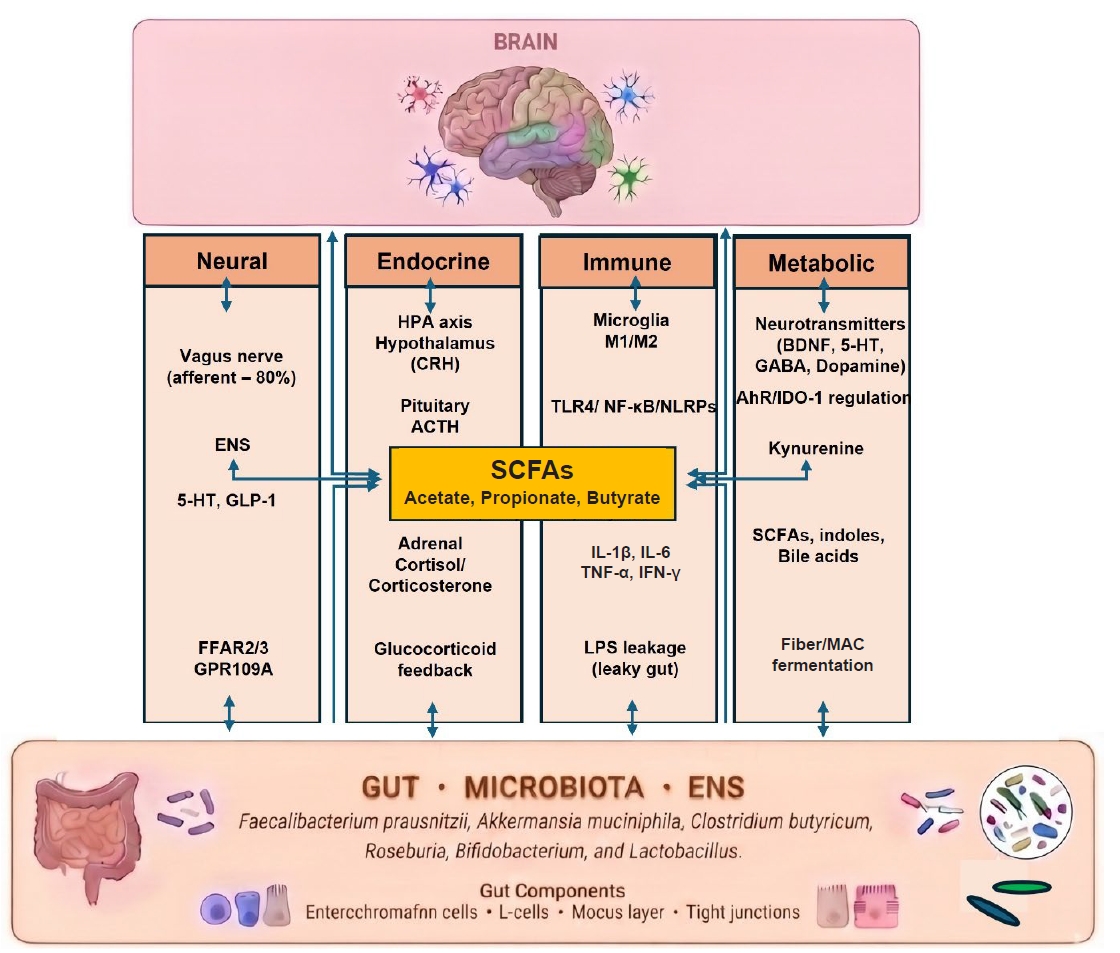
The MGBA operates as a highly integrated, bidirectional communication network in which neural, endocrine, immune, and metabolic conduits act synchronously to translate luminal microbial activity into measurable changes in CNS function and emotional behavior (
Fig. 1) [
3,
10]. These pathways converge upon overlapping molecular hubs that include free fatty acid receptors, toll-like receptor 4 (TLR4), aryl hydrocarbon receptor (AhR), corticotropin-releasing hormone (CRH) signaling, and microglial reactivity. Consequently, the perturbation of one arm can propagate through the others and generate the systems-level dysregulation that underlies MDD, BD, anxiety disorders, and PTSD. The next four subsections outline each pathway at the conceptual level, and the molecular details by which SCFAs intercept these circuits are reserved for ‘MOLECULAR MECHANISMS OF SCFA-MEDIATED MOOD REGULATION’ section.
The neural arm of the MGBA represents the most rapid information channel between the gut and brain and is anatomically grounded in the enteric nervous system, which is an autonomous plexus of more than 100 million neurons distributed across the submucosal and myenteric layers of the gastrointestinal tract, together with the vagus nerve, whose afferent fibers comprise approximately 80% of total vagal axons and project gut-derived sensory information directly to the nucleus tractus solitarius and onward to limbic structures, including the amygdala, insular cortex, hypothalamus, and prefrontal cortex [
10]. The enteric nervous system continuously monitors luminal contents through specialized epithelial sensors, including enteroendocrine cells, enterochromaffin (EC) cells, and neuropod cells, each equipped with a battery of G-protein-coupled receptors that decode microbial metabolites. Microbial SCFAs and other small molecules engage free fatty acid receptors on EC cells, triggering the paracrine release of peptide YY, glucagon-like peptide-1, and approximately 90% of the body’s peripheral serotonin (5-hydroxytryptamine [5-HT]), all of which converge upon vagal afferents to shape interoceptive signaling and emotional tone [
11]. Reigstad et al. [
12] demonstrated in gnotobiotic mice that SCFAs directly upregulate tryptophan hydroxylase 1 transcription in colonic EC cells, suggesting a molecular association between microbial fermentation and host serotonergic capacity. Bayrer et al. [
13] reported that genetically defined EC-cell ablation suppressed visceral pain and anxiety-like behaviors in mice, providing causal evidence in mice that intestinal sensory cells modulate higher-order affective processing.
Recent loss-of-function experiments support a causally essential role for the vagal conduit in rodent models for microbiota-driven mood pathology. For instance, Siopi et al. [
14] demonstrated that fecal transfer of stress-altered microbiota induced depressive-like behavior and impaired adult hippocampal neurogenesis only in vagus-intact recipient mice, whereas subdiaphragmatic vagotomy abolished both phenotypes. The classical demonstration by Bravo et al. [
15] that subdiaphragmatic vagotomy abolishes the anxiolytic and antidepressant-like effects of
Lactobacillus rhamnosus JB-1, including changes in central γ-aminobutyric acid (GABA)-A and GABA-B receptor expression, remains a foundational demonstration for this paradigm.
The endocrine arm is dominated by the HPA axis, which acts simultaneously as the primary mediator of psychological stress and as a sensitive readout of microbial status. Hypothalamic CRH drives pituitary adrenocorticotropic hormone release, which in turn stimulates adrenal cortisol secretion, and chronic glucocorticoid exposure subsequently degrades intestinal barrier function, reshapes microbial community composition toward a proinflammatory dysbiotic state, and alters bile acid and SCFA metabolism in a self-perpetuating feedback loop [
10]. The seminal observation of Sudo et al. [
16] that germ-free mice display exaggerated plasma corticosterone and adrenocorticotropic hormone responses to acute restraint stress, accompanied by reduced hippocampal BDNF and glucocorticoid receptor expression, provided early evidence that postnatal microbial colonization contributes to program normal HPA reactivity. A particularly striking recent advance came from Tofani et al. [
17], who reported in
Cell Metabolism that the gut microbiota gates the HPA-axis responsiveness in a strictly circadian manner, with antibiotic-induced microbial depletion phase-shifting corticosterone peaks and uncoupling adaptive stress responses from time-of-day cues. This finding suggests a chronobiological dimension of MGBA endocrine signaling and partially explains why disrupted circadian rhythms, a near-universal feature of depressive and bipolar disorders, are so tightly coupled to gut dysbiosis. The molecular details of how SCFA-producing psychobiotics diminish CRH transcription and attenuate cortisol responses are addressed in ‘neuroendocrine recalibration: HPA axis dampening’ section.
The immune-inflammatory arm provides the molecular substrate for the long-standing “cytokine hypothesis of depression.” In this framework, dysbiosis-driven intestinal hyperpermeability (“leaky gut”) permits the systemic translocation of pathogen-associated molecular patterns (most importantly lipopolysaccharide [LPS]), which engage TLR4 on circulating monocytes and, after BBB transit or endothelial relay, on parenchymal microglia, driving the nuclear translocation of nuclear factor-kappa B (NF-κB) and the elaboration of proinflammatory cytokines, including interleukin (IL)-1β, IL-6, and tumor necrosis factor (TNF)-α [
3]. Cumulative meta-analytic evidence has confirmed increased peripheral IL-6 and C-reactive protein levels among the most consistently replicated inflammatory biomarkers of MDD across independent cohorts, with effect sizes particularly pronounced in treatment-resistant cases [
18]. A 2025 systematic review of antidepressant-naive, first-episode patients further demonstrated increases in IL-6, TNF-α, IL-2, IL-10, IL-4, and interferon-γ levels before any pharmacological exposure. This finding suggests that immune dysregulation is not solely attributable to medication [
19]. Cao et al. [
20] recently reported evidence in germ-free mice consistent with microbial transmission of affective vulnerability, demonstrating that fecal microbiota from prenatally depressed mothers transferred to germ-free recipients induced depressive-like behaviors and hippocampal microglial activation through the LPS–TLR4–myeloid differentiation primary response 88 (MyD88)–NF-κB pathway. The downstream mechanisms by which SCFAs reverse this immune-inflammatory cascade are described in ‘Microglial reprogramming: TLR4/NF-κB and NLRP3 suppression’ section.
The metabolic arm comprises the most diverse and therapeutically tractable conduit of the MGBA, with the gut microbiota functioning as a virtual endocrine organ that continuously generates a vast bioactive metabolome impinging on brain physiology [
6]. SCFAs are among the most abundant and best characterized of these metabolites and are described in detail in ‘SCFAs: BIOSYNTHESIS, TRANSPORT, AND RECEPTOR PHARMACOLOGY’ and ‘MOLECULAR MECHANISMS OF SCFA-MEDIATED MOOD REGULATION’ sections. Beyond SCFAs, microbially deconjugated and dehydroxylated secondary bile acids activate Takeda G-protein-coupled receptor 5 and the farnesoid X receptor to modulate hepatic energy homeostasis, peripheral immunity, and central neuroinflammation. Microbial catabolism of dietary tryptophan represents an equally critical metabolic axis. Specifically, gut commensals generate indole derivatives such as indole, indole-3-propionic acid, indole-3-aldehyde, and indole-3-acetic acid. These metabolites traverse the BBB and engage AhR on astrocytes and microglia to suppress the activation of NLR family pyrin domain containing 3 (NLRP3) inflammasome, preserve barrier integrity, and exert antidepressive effects [
21]. Critically, this microbial tryptophan circuitry is sensitive to inflammation and reciprocally controlled by the SCFA-mediated regulation of indoleamine 2,3-dioxygenase 1 (IDO-1), as detailed in ‘Tryptophan flux rebalancing and the kynurenine pathway’ section. Additional microbial metabolites also converge upon overlapping receptor systems, which include GABA generated through
Lactobacillus and
Bifidobacterium glutamate decarboxylase activity, trimethylamine N-oxide, and branched-chain amino acid derivatives. Their convergence suggests that the metabolic arm functions less as a parallel conduit than an integrated chemical language through which neural, immune, and endocrine arms are coordinately tuned.
PSYCHOBIOTICS: CONCEPTUAL FRAMEWORK AND CLASSIFICATION
Conceptual evolution
The conceptual framework of “psychobiotics” was originally articulated in 2013 by Dinan and Cryan [
22], who proposed a deliberately narrow definition encompassing live organisms that, when ingested in adequate amounts, produce a health benefit in patients with psychiatric illness. However, over the past decade, rapid progress in microbiome science, multiomics profiling, and translational psychiatry has rendered this initial framework highly restrictive. Therefore, Sarkar et al. [
23] have expanded the term to encompass any microbiota-targeted intervention, whether live or nonviable, that exerts a bacterially mediated, positive effect on brain-behavior relationships through the MGBA. Under this expanded definition, psychobiotics now include conventional live probiotics, prebiotics, synbiotics, postbiotics, paraprobiotics, FMT, and engineered live biotherapeutic products (LBPs), unified by a shared mechanistic logic rather than a particular pharmaceutical form. The core therapeutic actions of modern psychobiotics revolve around four interlocking axes. The first is restoration of intestinal barrier integrity through tight-junction protein induction. The second is suppression of systemic and central inflammation through the downregulation of TLR4/NF-κB signaling. The third is normalization of HPA axis hyperactivity through reduced CRH and corticosterone output. The fourth is biochemical reprogramming of the gut into a factory for neuroactive metabolites, including SCFAs, GABA, serotonin precursors, and indole derivatives [
24]. Comprehensive 2024–2025 systematic reviews have consolidated this expanded definition by demonstrating that probiotic, prebiotic, synbiotic, and postbiotic interventions confer statistically significant improvement in depressive symptomatology compared with placebo, thereby supporting the view that “psychobiotic” is a functional rather than a structural designation [
25].
Psychobiotic therapeutics are structurally classified into four functionally complementary categories (
Table 1). Probiotics are live beneficial microorganisms, most prominently strains of
Lactobacillus and
Bifidobacterium genera. They transiently colonize the gut and exert three major actions, viz., production of neurochemicals (especially GABA via glutamate decarboxylase activity), suppression of inflammatory cytokine secretion, and modulation of vagal afferent signaling. Prebiotics are selectively fermented dietary fibers and nondigestible oligosaccharides, including galacto-oligosaccharides (GOS), fructo-oligosaccharides (FOS), inulin, and resistant starches. These substrates expand native SCFA-producing commensals such as
Faecalibacterium prausnitzii,
Roseburia, and
Coprococcus. Synbiotics leverage the rationally matched combination of live probiotics and prebiotic fibers. This pairing ensures that the introduced strains receive appropriate fermentable substrates, allowing them to survive gastrointestinal transit and maximize SCFA output upon colonic arrival. Postbiotics encompass nonviable microbial cells, cell wall fragments, extracellular vesicles, and purified functional metabolites such as synthesized sodium butyrate and tributyrin. They have emerged as highly stable, immunologically safer alternatives and are particularly attractive for immunocompromised individuals. By bypassing the engraftment risks associated with live bacterial therapy, postbiotics retain the capacity to inhibit HDACs, suppress NLRP3 inflammasome activation, and curtail neuroinflammation. Specific clinical evidence for each category is detailed in ‘THERAPEUTIC STRATEGIES AND CLINICAL EVIDENCE’ section.
Besides these defined categories, dietary patterns rich in microbiota-accessible carbohydrates merit specific mention. Berding et al. [
26] demonstrated in healthy adults that a 4-week prebiotic-rich “psychobiotic diet” significantly reduced perceived stress and stabilized microbial diversity, providing rare nutritional-grade evidence that fiber-focused dietary modification alone can modulate stress reactivity—a finding of direct relevance to clinical nutrition practice.
The frontier of psychiatric microbiome therapy is rapidly shifting away from conventional, broad-spectrum, dairy-associated
Lactobacillus/
Bifidobacterium preparations toward NGPs, which are highly specific commensal anaerobes identified through comparative metagenomic profiling of healthy versus depressed populations and characterized at strain-level mechanisms. Three NGPs have advanced furthest in psychiatric translation. It must be emphasized at the outset that, for
F. prausnitzii and
Akkermansia muciniphila, the available psychiatric evidence is entirely preclinical, and no RCT of either organism has been conducted in patients with mood disorders. For
Clostridium butyricum, the only clinical evidence is derived from a single uncontrolled open-label trial [
27]. First,
F. prausnitzii is a highly abundant obligate anaerobe that serves as a major contributor to colonic butyrate synthesis. Preclinical research has demonstrated that
F. prausnitzii ATCC 27766 attenuates chronic unpredictable mild stress (CUMS)-induced anxiolytic and antidepressant-like deficits in rats by increasing cecal SCFA levels and reducing C-reactive protein and corticosterone levels [
28]. Building on this evidence, a 2024 synbiotic formulation incorporating this strain together with FOS and GOS rescued TRD-like behaviors in rats by simultaneously restoring multiple gut-brain axis nodes [
29]. Second,
A. muciniphila is the mucin-degrading sentinel of the colonic mucus layer. In chronic-restraint-stress depression models, this organism restores HPA axis function, normalizes corticosterone levels, reestablishes dopaminergic homeostasis, and rescues hippocampal BDNF expression [
30]. Mechanistically, its outer membrane protein Amuc_1100 alone attenuated CUMS-induced depression-like behavior in mice. The protein exerts this effect by increasing colonic and serum 5-HT levels, upregulating hippocampal BDNF/tropomyosin receptor kinase B signaling, and inhibiting microglial activation through TLR2-dependent pathways [
31]. A 2025 systematic review and meta-analysis reported that live
A. muciniphila, its pasteurized form, Amuc_1100, and
A. muciniphila-derived extracellular vesicles were associated with the alleviation of anxiety-like, depression-like, and stress-related behaviors and rescue memory deficits across multiple stress paradigms in rodent models [
32]. Third,
C. butyricum, a robust SCFA generator, demonstrated efficacy across both preclinical and clinical settings, wherein an 8-week prospective open-label trial of
C. butyricum MIYAIRI 588 as an adjunct to standard antidepressants in patients with TRD reported a 70% response rate with >50% reduction in HAMD-17 scores [
27], thereby providing preliminary, uncontrolled clinical data; however, the open-label design without a placebo arm precludes causal inference.
Beyond individual strain therapy, the regulatory category of LBPs has matured rapidly. LBPs are biological products containing live organisms intended for the prevention, treatment, or cure of human disease. Recent FDA approvals (2022–2023) of microbiome-based therapies for recurrent
Clostridioides difficile infection have established the regulatory pathway. The 2025 Asia-Pacific Microbiota Consortium position statement on LBP development codified manufacturing, quality control, and clinical evaluation standards specifically tailored to neuropsychiatric indications [
33]. Recent precision-psychobiotics frameworks emphasize that strain selection, dose, fermentation substrate, and host–microbiome compatibility must be optimized at the individual level rather than applied as one-size-fits-all formulations [
34].
SCFAs: BIOSYNTHESIS, TRANSPORT, AND RECEPTOR PHARMACOLOGY
SCFAs are aliphatic monocarboxylic acids generated predominantly through anaerobic bacterial fermentation of indigestible dietary fibers in the cecum and proximal colon. The three predominant species are acetate (C2), propionate (C3), and butyrate (C4), which together constitute >95% of the colonic SCFA pool in an approximate 3:1:1 molar ratio [
6,
7]. Their biosynthesis is taxonomically partitioned. Acetate is produced widely by
Bifidobacterium and
Akkermansia. Propionate is generated predominantly by Bacteroidetes via the succinate or propanediol pathways. Butyrate, the most extensively investigated with respect to neuroactive effects, is produced primarily by
F. prausnitzii,
Roseburia,
Coprococcus, and
Clostridium species. Several of these butyrate producers are found to be depleted in MDD and chronic stress models. Butyrate is consumed locally as the principal energy substrate of colonocytes, whereas acetate and propionate enter the portal circulation. Circulating acetate reaches systemic concentrations of 100 to 200 μM in humans.
Once in systemic circulation, SCFAs cross the BBB through proton-coupled monocarboxylate transporter 1 and sodium-coupled monocarboxylate transporter 1, yielding measurable cerebrospinal fluid concentrations (acetate up to 171 μM, propionate up to 6 μM, and butyrate up to 2.8 μM) [
7]. Mechanistically, SCFAs act as endogenous ligands for free fatty acid receptor 2 (FFAR2/GPR43), free fatty acid receptor 3 (FFAR3/GPR41), and hydroxycarboxylic acid receptor 2 (HCAR2/GPR109A). All three are G-protein-coupled receptors expressed on enteroendocrine L-cells, peripheral immune cells, and CNS targets, including the cerebrovascular endothelium, microglia, and astrocytes. FFAR2 couples primarily to Gi/o and Gq, whereas FFAR3 couples to Gi/o. Both engage downstream protein kinase pathways and ion-channel modulation, which translate luminal SCFA availability into systemic neuroendocrine and immune signals. GPR109A also recognizes the vitamin niacin. It is enriched on colonocytes, adipocytes, and microglia and mediates the anti-inflammatory effects of butyrate at relatively high local concentrations.
A second mechanistic dimension operates intracellularly. SCFAs, particularly butyrate, act as competitive inhibitors of class I and class IIa HDACs. Among physiological SCFAs, butyrate demonstrates the highest potency. By increasing histone acetylation marks, such as histone H3 lysine 9 acetylation and histone H3 lysine 18 acetylation, at promoters of genes relevant to mood and synaptic plasticity (especially Bdnf), SCFAs exert chromatin-level transcriptional regulation independent of receptor engagement. Altogether, the BBB-permeable transport, surface-receptor architecture, and intrinsic HDAC-inhibitory activity position SCFAs to engage the downstream mechanisms described in ‘MOLECULAR MECHANISMS OF SCFA-MEDIATED MOOD REGULATION.’ From a clinical nutrition perspective, endogenous SCFA synthesis depends critically on the availability of fermentable substrates. The most important of these substrates are microbiota-accessible carbohydrates such as resistant starches, β-glucans, inulin, FOS, and GOS. This dependence directly motivates the prescription of dietary fibers as a foundational, mechanism-based intervention for mood disorders.
MOLECULAR MECHANISMS OF SCFA-MEDIATED MOOD REGULATION
Unless otherwise specified, the mechanistic evidence summarized in this section is derived from rodent and
in vitro studies; the only human data addressing these pathways directly are the acute cortisol findings discussed in 'Neuroendocrine recalibration: HPA axis dampening’ section [
35]. The extent to which these mechanisms operate at physiological SCFA concentrations in the human brain remains to be established.
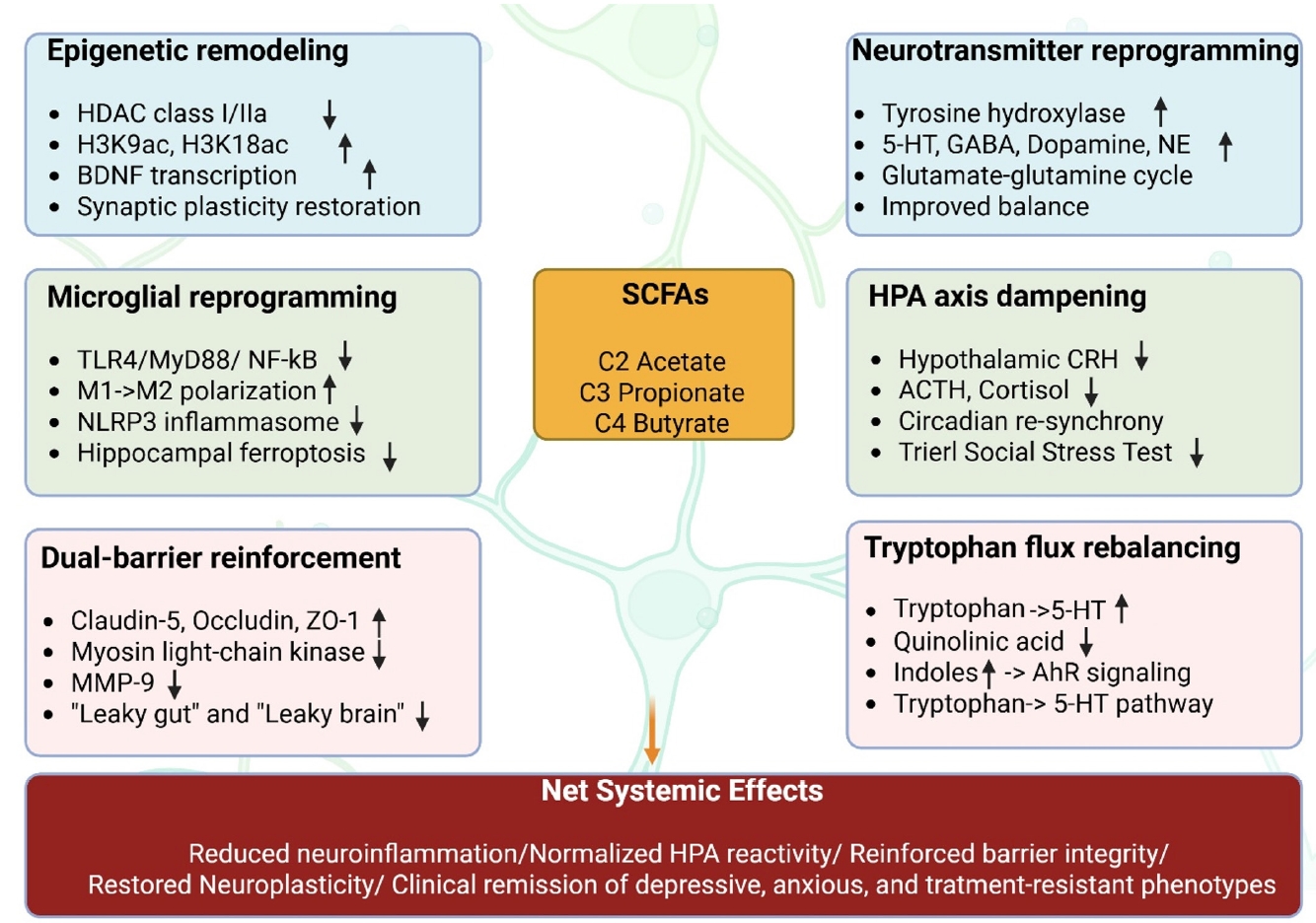
The cumulative mechanistic findings outlined above converge upon six interlocking molecular axes through which SCFAs—particularly butyrate, propionate, and acetate—mediate antidepressant-like and anxiolytic-like effects (
Fig. 2). The following subsections systematically dissect each mechanism, integrating the above-described relevant components of MGBA signaling into a coherent therapeutic framework.
One of the most extensively documented mechanisms by which SCFAs mitigate depression operates through epigenetic remodeling. Among SCFAs, butyrate is the most potent HDAC inhibitor. Through competitive inhibition of class I and class IIa HDACs, it promotes the accumulation of acetyl groups on histone tails and relaxes chromatin into a transcriptionally permissive state in brain regions that regulate mood [
36]. In the hippocampus and prefrontal cortex, SCFA-induced HDAC inhibition upregulates BDNF transcription in the rodent brain, with the associated restoration of neuronal survival, dendritic arborization, and activity-dependent synaptic plasticity. In chronic restraint and CUMS rodent models, sodium butyrate reverses stress-induced reductions in the expression of phosphorylated cAMP response element-binding protein, acetylated histone H3, and BDNF; normalizes the expression of HDAC2 and HDAC5; and rescues behavioral despair in forced swim and tail suspension tests [
37]. These epigenetic effects are accompanied by parallel reductions in DNA methyltransferase activity in stressed animals, suggesting that SCFA-driven antidepressant-like actions involve dual remodeling at both histone and DNA methylation levels.
SCFAs modulate the biosynthesis and turnover of central neurotransmitters regulating the affective state. Propionate and butyrate increase tyrosine hydroxylase expression in the frontal cortex, improving dopamine and norepinephrine biosynthetic capacity [
7]. Acetate, the most BBB-permeable SCFA, is taken up by astrocytes and incorporated into the glutamate–glutamine–GABA cycle, balancing excitatory glutamatergic and inhibitory GABAergic pools and providing biochemical stabilization against the excitotoxicity and hyperarousal characteristic of anxiety and depression. Synbiotic administration of GABA-producing
Lactobacillus and
Bifidobacterium strains together with butyrate-yielding fibers increases the expression of both peripheral GABA and hippocampal GABA-A receptors in stressed animals, mechanistically linking SCFA-mediated cross-feeding to inhibitory neurotransmission [
15]. SCFA enrichment also improves the peripheral and central serotonergic tone through the induction of tryptophan hydroxylase 1 in EC cells, as described above [
12], thereby integrating monoaminergic and amino-acid neurotransmitter pathways through a single fermentation-derived signal.
The landmark study by Erny et al. [
38] demonstrated that germ-free mice exhibit severely malformed microglia, substantially rescued by the oral administration of SCFA mixture, indicating that microbiota-derived SCFAs are essential for normal microglial maturation in mice. Building on the immune-inflammatory framework described above, SCFAs promote a shift in microglia phenotype from a proinflammatory M1 phenotype toward an anti-inflammatory M2 phenotype enriched in arginase-1 and IL-10. Sodium butyrate attenuates microglia-mediated neuroinflammation through coordinated TLR4/MyD88/NF-κB inhibition in cardiac arrest mice [
39], and rifaximin-induced enrichment of Lachnospiraceae and Ruminococcaceae increases brain butyrate levels and reverses CUMS-induced microglial proinflammatory polarization in adolescent rats [
40]. SCFA-mediated activation of GPR109A on microglia engages the nuclear factor erythroid 2-related factor 2 (Nrf2)/heme oxygenase-1 antioxidant pathway and inhibits NLRP3 inflammasome assembly, with the associated protection of neurons in preclinical models. Recent research has demonstrated that butyric and valeric acids attenuate stress-induced hippocampal ferroptosis and depressive-like behaviors by suppressing iron-dependent neuroinflammation [
41], thus adding ferroptosis to the expanding repertoire of SCFA-targeted neurodegenerative pathways.
Beyond the broader microbiota-mediated HPA modulation discussed above, SCFAs themselves function as the active molecular effectors of this regulation. Experimental administration of SCFAs or FMT from SCFA-enriched donors significantly downregulates hypothalamic CRH and its cognate receptors. This downregulation attenuates the initiation of the stress cascade. It translates into marked reductions in circulating corticosterone and cortisol levels after acute and chronic stressors [
10]. Critically, Dalile et al. [
35] provided rare clinical-grade evidence in a randomized placebo-controlled trial that colon-delivered SCFA mixtures attenuate cortisol responses to the Trier Social Stress Test in healthy men, using an acute laboratory stressor rather than a clinical population, directly linking microbial fermentation products to top-down HPA modulation. Moreover, the recent demonstration that the gut microbiota gates HPA axis responsiveness in a strictly circadian manner suggests that SCFA-producing psychobiotics exert anxiolytic effects partially by restoring circadian stress-response synchrony—a hypothesis with direct implications for the timing of nutritional and psychobiotic interventions [
17].
SCFAs, and butyrate in particular, are important regulators of barrier integrity at both the intestinal epithelium and BBB. They potently upregulate transcription and proper membrane localization of essential tight-junction proteins at both interfaces. These proteins include claudin-5, which serves as the master gatekeeper of paracellular BBB permeability, and occludin and zonula occludens-1. Mechanistically, SCFAs inhibit the myosin light-chain kinase pathway and downregulate matrix metalloproteinase-9 (MMP-9), potentially interrupting the proposed cycle of “leaky gut” and “leaky brain.” Monocolonization of germ-free mice with SCFA-producing strains reversed BBB hyperpermeability and restored the cerebral expression of tight-junction proteins [
42]. Greene et al. [
43] established claudin-5 as a depression- and schizophrenia-relevant gatekeeper whose dysregulation is associated with behavioral phenotypes in animal models, thus supporting tight-junction reinforcement as a plausible therapeutic target in mood disorders.
As outlined above, tryptophan metabolism is linked with AhR signaling. Building on that framework, SCFAs exert specific control over the inflammatory diversion of tryptophan away from serotonin and toward neurotoxic kynurenine metabolites. Under inflammatory conditions, proinflammatory cytokines such as interferon-γ and TNF-α upregulate IDO-1 in both peripheral macrophages and brain microglia. This upregulation shunts tryptophan flux away from serotonin synthesis and toward neurotoxic kynurenine metabolites, including 3-hydroxykynurenine and quinolinic acid. Quinolinic acid is a potent N-methyl-D-aspartate receptor agonist and drives glutamatergic excitotoxicity, hippocampal neuronal apoptosis, and depressive symptomatology [
44]. SCFAs counteract this diversion through multiple complementary mechanisms. First, they suppress the upstream microglial inflammatory activation that induces IDO-1. Second, they directly downregulate IDO-1 expression in the gut and hippocampus. Third, they sustain the microbial production of indole derivatives. These indoles engage AhR on astrocytes and microglia to suppress NLRP3 inflammasome activation, modulate type I interferon responses, and preserve barrier integrity [
21,
45]. Vascular-depression rodent studies have confirmed that SCFA administration potently suppresses IDO-1 expression in both the gut and hippocampus, restores tryptophan flux toward serotonin, and mitigates depressive-like behavior [
46]. By redirecting tryptophan metabolism away from the neurotoxic kynurenine cascade and toward mood-elevating serotonin and AhR-engaging indoles, SCFAs may serve as a convergence point linking the immune, neurotransmitter, and metabolic arms of the MGBA into a unified therapeutic node.
THERAPEUTIC STRATEGIES AND CLINICAL EVIDENCE
Disease-stratified therapeutic rationale: a largely preclinical framework
The therapeutic rationale for SCFA-generating psychobiotics is anchored in disease-specific microbial and metabolic signatures documented across the spectrum of affective disorders. In MDD, large-scale multiomics analyses have frequently reported the depletion of
Faecalibacterium,
Roseburia,
Coprococcus, and
Subdoligranulum. This taxonomic depletion is accompanied by reduced levels of fecal and serum acetate, propionate, and butyrate. Rodent FMT experiments support a contributory causal role wherein depression-associated microbiota were transferred into rodents [
4]. In a TRD rat model generated by CUMS plus adrenocorticotropic hormone, FMT from TRD donors transferred severe anxiety-like and depression-like behavior to recipients, whereas supplementation with a synbiotic combining
F. prausnitzii with FOS and GOS rescued these behavioral deficits and restored the levels of hippocampal BDNF, monoamines, and tight-junction proteins [
29]. Anxiety disorders share a similar dysbiotic footprint marked by reduced acetate and propionate levels that fail to appropriately tune inhibitory GABAergic signaling required to suppress amygdala hyperreactivity [
47]. PTSD-associated dysbiosis is dominated by the depletion of butyrate-producing Lachnospiraceae and Ruminococcaceae and an overgrowth of proinflammatory taxa, resulting in LPS leakage that perpetuates microglial activation and impairs fear-extinction circuitry [
48]. In vascular depression, chronic-cerebral-hypoperfusion rodent studies have demonstrated that SCFA supplementation attenuated microglial activation, oxidative stress, and IDO-1-driven tryptophan depletion in the hippocampus, thus providing a preclinical rationale for further investigation [
46].
Although conventional
Lactobacillus and
Bifidobacterium preparations primarily produce lactic and acetic acids, they orchestrate a beneficial cross-feeding environment that increases colonic butyrate production, exerting psychobiotic effects through indirect elevation of SCFA levels. A 4-week double-blind RCT of
Bifidobacterium breve CCFM1025 (10
9 CFUs/day) in 45 patients with MDD demonstrated significant reductions in 24-item Hamilton Depression Rating Scale (HDRS-24) and Montgomery–Asberg Depression Rating Scale scores accompanied by increased levels of fecal SCFAs, modulated tryptophan metabolism, and decreased serotonin turnover, consistent with neuroactive effects, although the small sample (n=45) and 4-week duration limit inference [
49]. Furthermore, a 2023 RCT published in JAMA Psychiatry confirmed the acceptability and putative benefit of multistrain probiotic adjunctive therapy in adults with MDD [
50]. Among next-generation strains,
F. prausnitzii ATCC 27766 robustly reverses CUMS-induced anxiety- and depression-like deficits by increasing cecal SCFA levels and reducing C-reactive protein and corticosterone levels [
28], whereas live
A. muciniphila and its outer membrane protein Amuc_1100 normalize HPA function, restore hippocampal BDNF levels, and rescue dopaminergic homeostasis across multiple stress paradigms [
30-
32].
Synbiotics are combinations of live probiotics with rationally matched prebiotic fibers. They optimize colonic SCFA output and have demonstrated promising preclinical efficacy in treatment-resistant models. For instance, a synbiotic combining
F. prausnitzii with FOS and GOS reversed TRD-like behaviors in a rat model induced by CUMS plus adrenocorticotropic hormone. This effect was achieved by simultaneously restoring cecal SCFA concentrations, hippocampal neurogenesis, and gut-barrier integrity [
29]. Microbiota-accessible carbohydrates include resistant starches, β-glucans, inulin, FOS, and GOS, which selectively expand native
Bifidobacterium and butyrate-producing Firmicutes. In healthy adults, a 4-week dietary intervention with a prebiotic-rich psychobiotic diet significantly reduced perceived stress and stabilized microbial diversity [
26].
Postbiotic strategies involve the direct administration of purified microbial metabolites or nonviable bacterial components. They bypass the engraftment complexities of live bacterial therapy and represent particularly attractive options for severe, treatment-resistant cases. Direct administration of sodium butyrate or tributyrin has demonstrated efficacy in preclinical paradigms across multiple preclinical paradigms. These postbiotics act as potent acute HDAC inhibitors and restore histone acetylation, rescue hippocampal BDNF expression, rebuild BBB tight junctions, and attenuate behavioral despair in rodents [
36,
37]. In high-fructose-fed mice, an SCFA mixture rescued hippocampal neurogenesis decline and BBB damage, demonstrating that postbiotic supplementation can reverse diet-induced affective deterioration [
42]. Recent research on butyric and valeric acids has further demonstrated the attenuation of stress-induced hippocampal ferroptosis and depressive-like behaviors [
41]. Postbiotic formats currently advancing toward clinical translation include nonviable
Lactobacillus preparations,
A. muciniphila-derived Amuc_1100, and bacterial extracellular vesicles [
32].
The clinical translation of SCFA-generating psychobiotics has substantially accelerated over the past 4 years.
Table 2 summarizes the key RCTs and meta-analyses. A 2025 systematic review of 19 RCTs reported that all included trials demonstrated significant amelioration of depression status with probiotic or psychobiotic intervention. The intervention was used as a standalone therapy in five trials and as an adjunct to antidepressants in 10 trials [
8]. Furthermore, a 2025 meta-analysis of FMT trials encompassing 681 participants reported a standardized mean difference of −1.21 (95% confidence interval, −1.87 to −0.55; P=0.0003) for depressive symptom reduction, providing the largest pooled clinical estimate to date, although the wide confidence interval and heterogeneity across small trials warrant caution for microbiota transfer in depression [
5]. Another 2025 case-control study demonstrated that baseline circulating SCFA concentrations significantly predicted 6-month remission in patients with MDD. This finding supports the dual role of SCFAs as biomarkers and therapeutic targets. Moreover, a 2026 meta-analysis quantitatively confirmed a robust SCFA-deficit signature in MDD individuals versus healthy controls. The signature consisted of reduced acetate, propionate, butyrate, and isobutyrate levels [
9]. Although multistrain formulations generally outperform single-strain preparations, their efficacy remains heavily dependent on baseline severity, dosage, and intervention duration, with interventions exceeding 8 weeks tending to demonstrate superior outcomes. The open-label trial by Miyaoka et al. [
27] demonstrating that
C. butyricum MIYAIRI 588 as an adjunct to standard antidepressants achieved a 70% response rate in patients with TRD remains the only available clinical dataset for a single-strain NGP, although the trial was uncontrolled.
From a clinical nutrition viewpoint, the foregoing mechanistic and clinical evidence reframes three elements as legitimate, mechanism-based nutritional interventions for mood disorders rather than peripheral lifestyle recommendations. These elements are dietary fiber intake, fermentable substrate selection, and targeted SCFA-generating psychobiotic supplementation. Several actionable principles emerge for clinical nutrition practice. First, baseline dietary fiber intake should be evaluated and optimized. Typical adult intakes in numerous populations are well below 25 to 38 g/day generally recommended for adults. Habitual low fiber intake may not support sufficient endogenous generation of SCFAs. Second, the dietary diversity of microbiota-accessible carbohydrates maximizes the substrate range required to support a diverse SCFA-producing microbial consortium. Practical food sources include resistant starches from cooled potatoes and legumes, β-glucans from oats and barley, inulin and FOS from chicory, garlic, leeks, and onions, GOS from legumes, and pectin from apples and citrus fruits. Third, traditional fermented foods such as kimchi, yogurt, kefir, and miso provide live Lactobacillus and Bifidobacterium that, although rarely engrafting permanently, transiently support cross-feeding networks that increase butyrate output. Fourth, defined synbiotic formulations and postbiotic SCFA preparations may be considered adjuncts to conventional psychopharmacology in patients with TRD, anxiety with prominent gastrointestinal symptoms, or vascular depression with documented dysbiosis. Personalized nutritional protocols integrating these elements provide a biologically rational complement to monoamine-targeted therapy and simultaneously address the gastrointestinal and metabolic comorbidities that frequently accompany mood disorders.
CHALLENGES, FUTURE DIRECTIONS, AND CONCLUSION
The intense exploration of the MGBA over the past decade has substantially expanded our conception of mood disorders, transforming the pathophysiological framework from an isolated, brain-centric defect toward a systemic derangement involving the intestinal microbiome and its metabolic output. SCFAs, particularly butyrate, propionate, and acetate, have emerged as important molecular mediators within this network. They can exert epigenetic regulation through HDAC inhibition, may attenuate neuroinflammation by modulating microglial TLR4/NF-κB and NLRP3 signaling, may reinforce the structural integrity of the BBB and intestinal mucosa, and may rebalance the metabolic flow of monoamines and the tryptophan-to-kynurenine pathway. Restoration of these depleted microbial metabolites through targeted administration of NGPs, prebiotics, synbiotics, and direct postbiotic supplementation represents a rapidly advancing therapeutic frontier that has demonstrated promise in preclinical models of treatment-resistant phenotypes. Nonetheless, whether that promise extends to patients depends on how the field confronts the limitations and translational hurdles described in the next section.
Limitations and knowledge gaps
Several limitations of the current evidence base, and of this review itself, warrant explicit acknowledgment.
First, the mechanistic–clinical asymmetry
The molecular mechanisms rest almost entirely on rodent and
in vitro studies. Direct human evidence is confined to a single acute-stress RCT in healthy men [
35], three small trials in patients with depression [
27,
49,
50], a dietary intervention trial in healthy adults [
26], and observational biomarker studies. No RCT has yet evaluated
F. prausnitzii or
A. muciniphila in a psychiatric population, and no trial has demonstrated that clinical improvement is mediated by SCFA elevation rather than merely accompanied by it.
Second, pharmacokinetic uncertainty
Reported cerebrospinal fluid concentrations of butyrate (up to approximately 2.8 μM) are two to three orders of magnitude less than those required for HDAC inhibition
in vitro [
7]. Whether butyrate acts as a direct central HDAC inhibitor at physiological concentrations or whether central histone acetylation changes are mediated indirectly via acetate-derived acetyl-CoA in astrocytes, peripheral receptor signaling, or vagal relay remains unresolved.
Third, the assumption of uniform benefit
This review has emphasized beneficial SCFA actions; however, the literature is not uniformly positive. Propionate administration causes behavioral and neuroinflammatory abnormalities in some rodent paradigms, increased rather than reduced SCFA levels have been reported in certain patient cohorts, and FFAR2/FFAR3 signaling is context- and cell-type-dependent. Therefore, the effects of SCFAs may be dose-, timing-, and host-dependent rather than monotonically beneficial.
Fourth, risk of publication and small-study bias
The observation that all 19 trials in a recent systematic review reported significant benefit is itself atypical for a heterogeneous intervention literature and raises the possibility that null trials are underreported [
8]. Existing trials are small, short, and rarely include an intention-to-treat analysis or long-term follow-up. Hence, pooled effect estimates such as the FMT standardized mean difference of −1.21 must be considered provisional [
5].
Fifth, limitations of this review
As a narrative rather than a systematic review, this synthesis did not use a preregistered protocol, systematic search strategy, or formal risk-of-bias assessment and is consequently subject to selection bias in the cited studies.
These gaps define the priorities for the next phase of research, viz., adequately powered, placebo-controlled trials of defined strains in well-characterized clinical populations, with prespecified SCFA mediation analyses and long-term follow-up. Realizing that agenda requires confronting several translational hurdles.
Translational challenges and future directions
Strain specificity
Psychobiotic effects appear to be largely strain-specific and cannot be safely generalized across taxonomic genera, or in some cases even across strains of the same species. Therefore, clinical trials require standardized identification and reporting at the strain level, together with the deposition of characterized strains in public culture collections.
Methodological standardization
Existing trials are inconsistent in two key parameters, viz., dosing ranges from 108 to 1010 CFU and intervention duration typically spans 4 to 12 weeks. Beyond the abovementioned interpretive difficulties, this variability has prevented the field from establishing dose-response relationships or a minimum effective duration—both prerequisites for evidence-based prescription. Consensus reporting standards for strain, dose, viability at administration, and fermentable substrate co-intake are necessary.
Delivery and formulation
The rapid hepatic first-pass metabolism and short systemic half-life of exogenous SCFAs constrain sustained delivery. The central concentrations achievable by this route may be inadequate for the mechanisms most frequently invoked. Colon-targeted and sustained-release formulations, prodrug approaches such as tributyrin, and strategies that stimulate endogenous colonic production rather than supplying exogenous SCFAs each warrant systematic head-to-head comparison.
Interindividual variability
The human microbiome is highly individualized, shaped by host genetics, habitual diet, geography, and lifetime antibiotic exposure. This individuality may restrict the reliability of one-size-fits-all formulations and argues for a shift toward precision-psychobiotic medicine, guided by the following three pillars: multiomics profiling supported by computational and machine-learning approaches; validated SCFA-based biomarker panels incorporating circulating SCFA ratios, the kynurenine-to-tryptophan balance, and microbial enterotypes; and rigorously standardized clinical-grade manufacturing under emerging LBP regulatory frameworks [
33,
34].
Therapeutic positioning
Psychobiotics must not be positioned as standalone replacements for conventional pharmacotherapy. Their most plausible near-term value lies in adjunctive integration with SSRIs and SNRIs, where preclinical evidence suggests additive or synergistic antidepressant-like effects together with possible mitigation of the gastrointestinal and metabolic adverse effects associated with monoaminergic drugs [
37]. Neither observation has yet been confirmed in humans, and adequately powered add-on trials with prespecified tolerability endpoints represent an immediate priority.
From a clinical nutrition perspective, four translational priorities stand out as most immediate. The first is to integrate validated assessment of dietary fiber and microbiota-accessible carbohydrate intake into routine psychiatric and clinical nutrition consultation. The second is to develop evidence-based synbiotic and postbiotic formulations standardized for psychiatric indications. The third is to register psychobiotic nutrition interventions prospectively within structured clinical trial frameworks, including the reporting of null results. The fourth is to educate dietitians and clinicians on strain-level mechanism, dosing, and duration of psychobiotic interventions, so that emerging evidence is translated neither prematurely nor with undue delay.
Conclusion
The field is advancing toward precision medicine and toward the strategic integration of microbiota-targeted therapies with conventional psychopharmacology. Within this trajectory, SCFA-modulating interventions hold promise as a complementary approach in psychiatric care, although current evidence remains dominated by preclinical models, and the human trials conducted to date are limited in size, duration, and number. Personalized nutritional protocols integrating microbiota-accessible carbohydrates, defined synbiotic formulations, and postbiotic SCFA preparations provide a biologically rational adjunct to conventional psychiatric pharmacotherapy, one that may simultaneously address the gastrointestinal, metabolic, and neurobehavioral dimensions of disease. As the evidence base matures, and provided the above-described methodological and translational requirements are met, microbiota-targeted nutritional therapy may become a useful component of integrative clinical care for patients with TRD and other mood disorders.
NOTES
-
Author Contributions
All the work was done by JS.
-
Conflict of Interest
None.
-
Funding
This work was supported by the National Research Foundation of Korea (NRF) (Grant No. RS-2025-02213506, RS-2025-19612989).
-
Data availability
Not applicable.
Fig. 1.Microbiota-gut-brain axis (MGBA) and the central role of SCFAs. Four bidirectional communication pathways link the gut microbiota and central nervous system. The neural arm is anchored in the ENS and the vagus nerve (about 80% afferent), with enterochromaffin cells releasing 5-HT and GLP-1. The endocrine arm operates through the HPA axis (CRH, adrenocorticotropic hormone, and cortisol). The immune-inflammatory arm is dominated by LPS translocation, TLR4/NF-κB signaling, NLRP3 inflammasome, and proinflammatory cytokines (IL-1β, IL-6, TNF-α, IFN-γ). The metabolic arm generates SCFAs, indoles (with downstream AhR signaling and IDO-1 regulation), bile acids, and GABA. SCFAs (acetate, propionate, and butyrate) produced by Faecalibacterium prausnitzii, Akkermansia muciniphila, Clostridium butyricum, Roseburia, Bifidobacterium, and Lactobacillus represent a convergence point linking the four pathways. ENS, enteric nervous system; 5-HT, 5-hydroxytryptamine; GLP-1, glucagon-like peptide-1; FFAR, free fatty acid receptor; GPR109A, hydroxycarboxylic acid receptor 2; HPA, hypothalamic-pituitary-adrenal; CRH, corticotropin-releasing hormone; TLR4, toll-like receptor 4; NF-κB, nuclear factor-kappa B; NLRP3, NLR family pyrin domain containing 3; IL-1β, interleukin 1β; IL-6, interleukin 6; TNF-α, tumor necrosis factor α; IFN-γ, interferon γ; LPS, lipopolysaccharide; SCFA, short-chain fatty acid; BDNF, brain-derived neurotrophic factor; GABA, γ-aminobutyric acid; AhR, aryl hydrocarbon receptor; IDO-1, indoleamine 2,3-dioxygenase 1; MAC, microbiota-accessible carbohydrates.
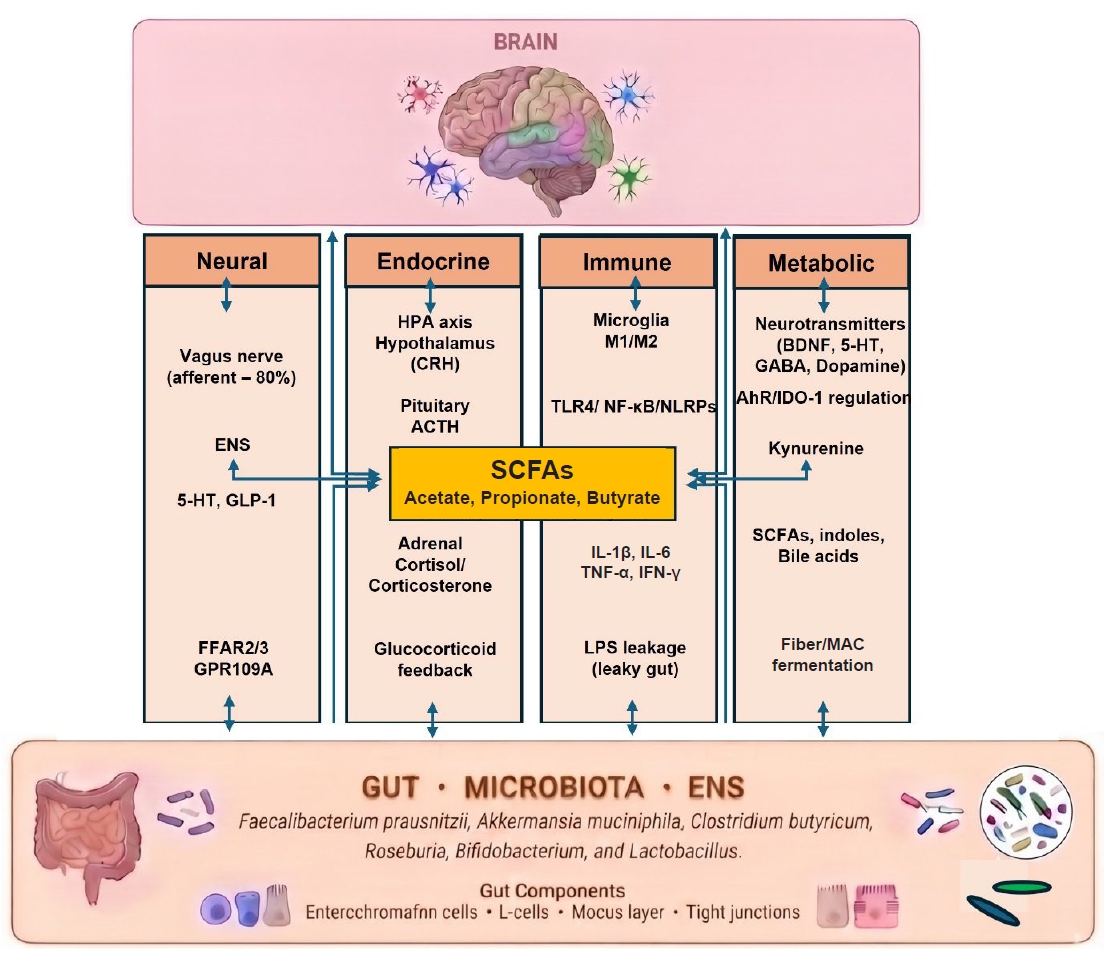
Fig. 2.Six molecular mechanisms of SCFA-mediated mood regulation. SCFAs, including primarily acetate (C2), propionate (C3), and butyrate (C4), exert convergent antidepressant- and anxiolytic-like actions through six interconnected molecular mechanisms (‘MOLECULAR MECHANISMS OF SCFA-MEDIATED MOOD REGULATION’ section). (1) Epigenetic remodeling: butyrate inhibits class I and IIa HDAC, increasing histone H3K9ac and H3K18ac at the BDNF promoter to restore synaptic plasticity. (2) Neurotransmitter reprogramming: enhanced tyrosine hydroxylase expression and increased biosynthesis of 5-HT, GABA, dopamine, and NE stabilize the glutamate–glutamine cycle and restore neurotransmitter balance. (3) Microglial reprogramming: suppression of TLR4/MyD88/NF-κB signaling promotes M1 to M2 polarization, attenuates NLRP3 inflammasome activation, and reduces hippocampal ferroptosis. (4) Neuroendocrine recalibration: HPA axis dampening—reductions in hypothalamic CRH, ACTH, and cortisol output restore circadian stress-response synchrony, resulting in measurable attenuation of Trier Social Stress Test responses. (5) Dual-barrier reinforcement: upregulation of claudin-5, occludin, and ZO-1, coupled with the downregulation of myosin light-chain kinase and MMP-9, restores intestinal and blood-brain barrier integrity. (6) Tryptophan flux rebalancing and the kynurenine pathway: suppression of indoleamine 2,3-dioxygenase 1 redirects tryptophan away from the neurotoxic kynurenine pathway toward serotonin synthesis, whereas sustained microbial indole production engages AhR signaling to modulate microglial and astrocytic function. The integrated outcome of these mechanisms is reduced neuroinflammation, restored neuroplasticity, normalized HPA reactivity, reinforced barrier integrity, and clinical remission of depressive, anxious, and treatment-resistant phenotypes. HDAC, histone deacetylase; H3K9ac, histone H3 lysine 9 acetylation; H3K18ac, histone H3 lysine 18 acetylation; BDNF, brain-derived neurotrophic factor; TLR4, toll-like receptor 4; MyD88, myeloid differentiation primary response 88; NF-κB, nuclear factor-kappa B; NLRP3, NLR family pyrin domain containing 3; ZO-1, zonula occludens 1; MMP-9, matrix metalloproteinase 9; SCFA, short-chain fatty acid; 5-HT, 5-hydroxytryptamine; GABA, γ-aminobutyric acid; NE, norepinephrine; CRH, corticotropin-releasing hormone; ACTH, adrenocorticotropic hormone; AhR, aryl hydrocarbon receptor; HPA, hypothalamic-pituitary-adrenal.
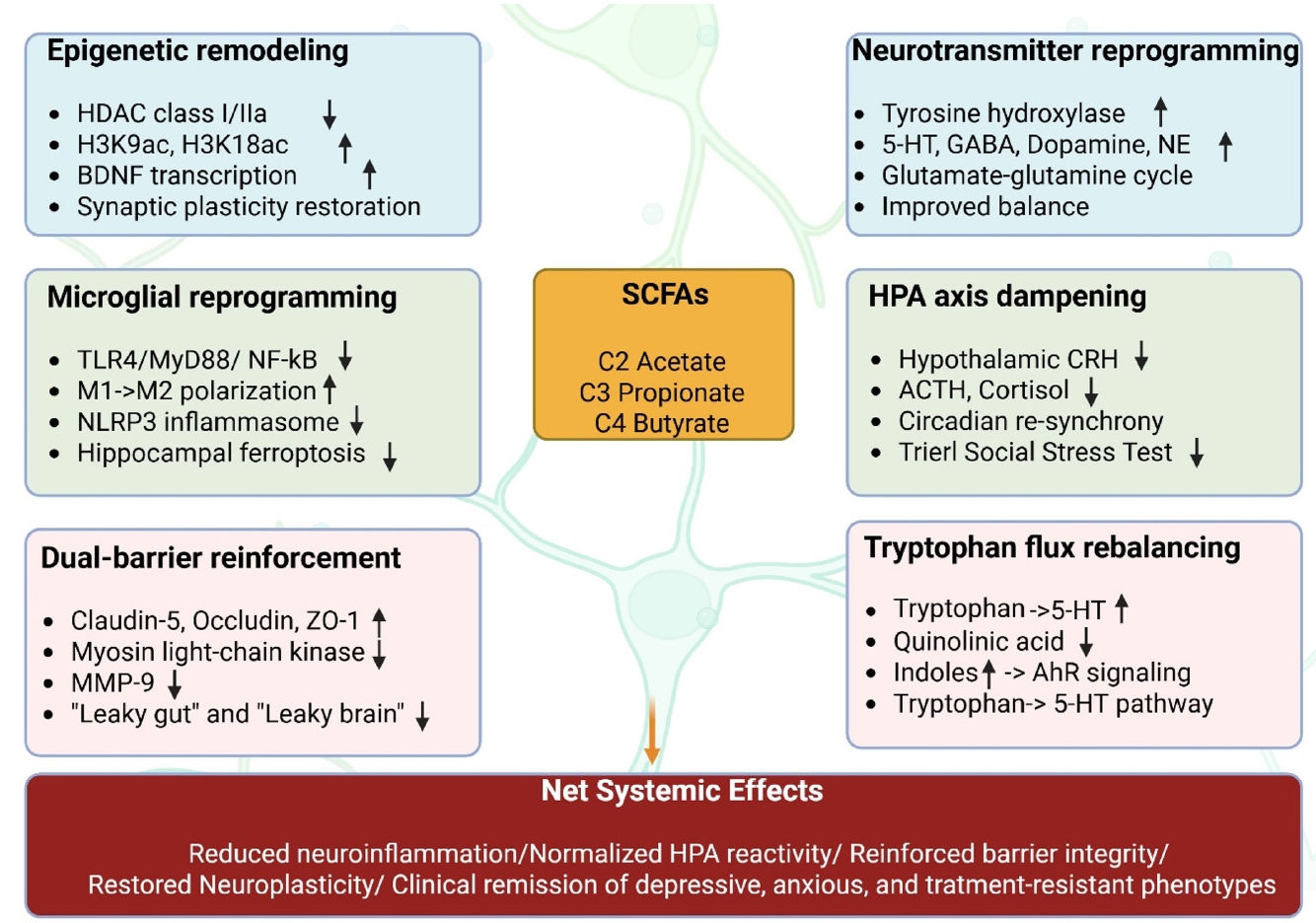
Table 1.Functional taxonomy of psychobiotic interventions for mood disorders
Table 1.
|
Category |
Definition |
Representative agent |
Primary mechanism of SCFA modulation |
Key evidence in mood disorder |
|
Probiotic |
Live microorganisms that, when ingested in adequate amounts, confer mental health benefit through MGBA signaling |
Lactobacillus rhamnosus JB-1 |
Indirect SCFA elevation via cross-feeding networks; direct GABA biosynthesis through glutamate decarboxylase activity; vagal afferent modulation |
Bravo et al. [15], 2011; Tian et al. [49], 2022 RCT; Nikolova et al. [50], 2023 RCT |
|
Bifidobacterium breve CCFM1025 |
|
Bifidobacterium longum 1714 |
|
Multistrain Lactobacillus/Bifidobacterium formulations |
|
Prebiotic |
Selectively fermented nondigestible dietary substrates that support the expansion of native SCFA-producing commensals |
FOS, GOS, inulin, β-glucans (oats, barley), resistant starches, pectin; psychobiotic dietary patterns |
Direct expansion of Faecalibacterium, Roseburia, and Coprococcus, with a consequent increase in colonic butyrate, propionate, and acetate output |
Berding et al. [26], 2023 dietary RCT |
|
Synbiotic |
Rationally matched combinations of live probiotic strains with prebiotic substrates designed for cross-feeding optimization |
Faecalibacterium prausnitzii+FOS+GOS |
Optimized colonic SCFA output via substrate–strain pairing ensures viable colonic delivery and maximal fermentative yield |
Palepu et al. [29], 2024 TRD synbiotic |
|
Multistrain Lactobacillus/Bifidobacterium+inulin |
|
Postbiotic |
Nonviable microbial cells, cell wall components, extracellular vesicles, or purified bacterial metabolites with retained bioactivity |
Sodium butyrate, tributyrin, Amuc_1100 (Akkermansia muciniphila outer membrane protein), bacterial extracellular vesicles, heat-killed Lactobacillus preparations |
Direct HDAC inhibition (butyrate); receptor-independent epigenetic effects; bypass live strain engraftment risks; suitable for immunocompromised patients |
Han et al. [37], 2014; Cheng et al. [31], 2021; Ma et al. [41], 2025 |
Table 2.Key clinical trials and meta-analyses of SCFA-producing psychobiotics in mood disorders (2018–2026)
Table 2.
|
Study |
Design/population |
Intervention |
Duration |
Key outcome |
Evidence level |
|
Miyaoka et al. [27] (2018) |
Open-label prospective trial: 40 TRD patients |
Clostridium butyricum MIYAIRI 588 (60 mg/day) adjunct to standard antidepressant |
8 wk |
70% response rate; >50% HAMD-17 reduction; only clinical dataset for a single-strain NGP to date; no placebo arm, precluding causal inference |
Clinical-open-label, uncontrolled |
|
Dalile et al. [35] (2020) |
Double-blind placebo-controlled RCT (66 healthy men) |
Colon-delivered SCFA mixture (acetate/propionate/butyrate) |
Acute (TSST) |
Significant attenuation of cortisol response to psychosocial stress; principal human evidence linking SCFAs to HPA modulation; acute laboratory stressor in healthy men |
Clinical-RCT healthy volunteers, surrogate endpoint |
|
Tian et al. [49] (2022) |
Double-blind RCT (45 MDD patients) |
Bifidobacterium breve CCFM1025 (109 CFU/day) |
4 wk |
Significant reduction in HDRS-24 and MADRS scores; increased fecal SCFA levels; modulated tryptophan metabolism; decreased serotonin turnover |
Clinical RCT, MDD, small (n=45) |
|
Berding et al. [26] (2023) |
RCT; healthy adults |
Prebiotic-rich “psychobiotic diet” (high MAC, fermented foods) |
4 wk |
Significant reduction in perceived stress; stabilized microbial diversity; early nutritional evidence for fiber-focused modulation of perceived stress |
Clinical-RCT, healthy adults, nonclinical endpoint |
|
Nikolova et al. [50] (2023) |
Double-blind RCT; adults with MDD |
Multistrain probiotic adjunct to standard antidepressants |
8 wk |
Improved depressive symptomatology; favorable acceptability and tolerability profile |
Clinical-RCT, MDD, and feasibility/acceptability |
|
Khalili et al. [32] (2025) |
Systematic review and meta-analysis; preclinical depression/anxiety/stress models |
Live Akkermansia muciniphila, pasteurized A. muciniphila, Amuc_1100, A. muciniphila-derived extracellular vesicles |
- |
Alleviation of anxiety-, depression-, and stress-related behaviors and memory deficits in rodent models |
Preclinical meta-analysis of rodent studies |
|
Menni et al. [8] (2025) |
Systematic review (19 RCTs in adults with depression) |
Probiotic or psychobiotic interventions, standalone (5 trials) or as an adjunct to antidepressants (10 trials) |
- |
All 19 trials demonstrated significant amelioration of depression status; multistrain formulations generally outperformed single-strain formulations |
Clinical-systematic review |
|
Zhang et al. [5] (2025) |
Meta-analysis of RCTs (681 participants) |
Fecal microbiota transplantation |
- |
SMD=−1.21 (95% CI, −1.87 to −0.55; P=0.0003) for depressive symptom reduction; largest pooled clinical estimate to date; wide CI and heterogeneity across small trials warrant caution |
Clinical meta-analysis of RCTs |
|
Do et al. [9] (2026) |
Meta-analysis (MDD vs. healthy controls) |
Circulating SCFA profile comparison |
- |
Reported an SCFA-deficit signature (reduced acetate, propionate, butyrate, isobutyrate levels) in MDD versus healthy controls |
Clinical meta-analysis, biomarker (not intervention) |
REFERENCES
- 1. GBD 2019 Mental Disorders Collaborators. Global, regional, and national burden of 12 mental disorders in 204 countries and territories, 1990-2019: a systematic analysis for the Global Burden of Disease Study 2019. Lancet Psychiatry 2022;9:137-50.
- 2. Fabbri C, Corponi F, Souery D, et al. The genetics of treatment-resistant depression: a critical review and future perspectives. Int J Neuropsychopharmacol 2019;22:93-104.
- 3. Morais LH, Schreiber HL, Mazmanian SK. The gut microbiota-brain axis in behaviour and brain disorders. Nat Rev Microbiol 2021;19:241-55.
- 4. Kelly JR, Borre Y, O' Brien C, et al. Transferring the blues: depression-associated gut microbiota induces neurobehavioural changes in the rat. J Psychiatr Res 2016;82:109-18.
- 5. Zhang X, Li Y, Guo Y, Sun J, Yang Y. Clinical efficacy of fecal microbiota transplantation in alleviating depressive symptoms: a meta-analysis of randomized trials. Front Psychiatry 2025;16:1656969.
- 6. Dalile B, Van Oudenhove L, Vervliet B, Verbeke K. The role of short-chain fatty acids in microbiota-gut-brain communication. Nat Rev Gastroenterol Hepatol 2019;16:461-78.
- 7. Silva YP, Bernardi A, Frozza RL. The role of short-chain fatty acids from gut microbiota in gut-brain communication. Front Endocrinol (Lausanne) 2020;11:25.
- 8. Menni AE, Theodorou H, Tzikos G, et al. Rewiring mood: precision psychobiotics as adjunct or stand-alone therapy in depression using insights from 19 randomized controlled trials in adults. Nutrients 2025;17:2022.
- 9. Do QL, Malau IA, Nguyen HT, Liu J, Chang JP, Su KP. Circulating short-chain fatty acid (SCFA) profiles as a biomarker of gut-brain axis dysfunction: a meta-analysis for the SCFA signature in major depression. Biomed J 2026;49:100968.
- 10. Margolis KG, Cryan JF, Mayer EA. The microbiota-gut-brain axis: from motility to mood. Gastroenterology 2021;160:1486-501.
- 11. Yano JM, Yu K, Donaldson GP, et al. Indigenous bacteria from the gut microbiota regulate host serotonin biosynthesis. Cell 2015;161:264-76.
- 12. Reigstad CS, Salmonson CE, Rainey JF, et al. Gut microbes promote colonic serotonin production through an effect of short-chain fatty acids on enterochromaffin cells. FASEB J 2015;29:1395-403.
- 13. Bayrer JR, Castro J, Venkataraman A, et al. Gut enterochromaffin cells drive visceral pain and anxiety. Nature 2023;616:137-42.
- 14. Siopi E, Galerne M, Rivagorda M, et al. Gut microbiota changes require vagus nerve integrity to promote depressive-like behaviors in mice. Mol Psychiatry 2023;28:3002-12.
- 15. Bravo JA, Forsythe P, Chew MV, et al. Ingestion of Lactobacillus strain regulates emotional behavior and central GABA receptor expression in a mouse via the vagus nerve. Proc Natl Acad Sci U S A 2011;108:16050-5.
- 16. Sudo N, Chida Y, Aiba Y, et al. Postnatal microbial colonization programs the hypothalamic-pituitary-adrenal system for stress response in mice. J Physiol 2004;558:263-75.
- 17. Tofani GS, Leigh SJ, Gheorghe CE, et al. Gut microbiota regulates stress responsivity via the circadian system. Cell Metab 2025;37:138-53.
- 18. Kohler CA, Freitas TH, Maes M, et al. Peripheral cytokine and chemokine alterations in depression: a meta-analysis of 82 studies. Acta Psychiatr Scand 2017;135:373-87.
- 19. Gedek A, Modrzejewski S, Materna M, Iwanski M, Wichniak A, Dominiak M. Altered cytokine levels in the first episode of major depression and in antidepressant-naive patients: a systematic review and meta-analysis. Int J Mol Sci 2025;26:10362.
- 20. Cao Y, Fan X, Zang T, et al. Prenatal depression-associated gut microbiota induces depressive-like behaviors and hippocampal neuroinflammation in germ-free mice. Transl Psychiatry 2025;15:383.
- 21. Miyamoto K, Sujino T, Kanai T. The tryptophan metabolic pathway of the microbiome and host cells in health and disease. Int Immunol 2024;36:601-16.
- 22. Dinan TG, Cryan JF. Melancholic microbes: a link between gut microbiota and depression? Neurogastroenterol Motil 2013;25:713-9.
- 23. Sarkar A, Lehto SM, Harty S, Dinan TG, Cryan JF, Burnet PW. Psychobiotics and the manipulation of bacteria-gut-brain signals. Trends Neurosci 2016;39:763-81.
- 24. Cocean AM, Vodnar DC. Exploring the gut-brain axis: potential therapeutic impact of psychobiotics on mental health. Prog Neuropsychopharmacol Biol Psychiatry 2024;134:111073.
- 25. Dai LY, Chen RR, Chen HR, et al. Potential clinical benefits of probiotics, prebiotics, synbiotics, and postbiotics for depression via the microbiota-gut-brain axis. World J Psychiatry 2025;15:98436.
- 26. Berding K, Bastiaanssen TF, Moloney GM, et al. Feed your microbes to deal with stress: a psychobiotic diet impacts microbial stability and perceived stress in a healthy adult population. Mol Psychiatry 2023;28:601-10.
- 27. Miyaoka T, Kanayama M, Wake R, et al. Clostridium butyricum MIYAIRI 588 as adjunctive therapy for treatment-resistant major depressive disorder: a prospective open-label trial. Clin Neuropharmacol 2018;41:151-5.
- 28. Hao Z, Wang W, Guo R, Liu H. Faecalibacterium prausnitzii (ATCC 27766) has preventive and therapeutic effects on chronic unpredictable mild stress-induced depression-like and anxiety-like behavior in rats. Psychoneuroendocrinology 2019;104:132-42.
- 29. Palepu MS, Bhalerao HA, Sonti R, Dandekar MP. Faecalibacterium prausnitzii, FOS and GOS loaded synbiotic reverses treatment-resistant depression in rats: restoration of gut-brain crosstalk. Eur J Pharmacol 2024;983:176960.
- 30. Ding Y, Bu F, Chen T, et al. A next-generation probiotic: Akkermansia muciniphila ameliorates chronic stress-induced depressive-like behavior in mice by regulating gut microbiota and metabolites. Appl Microbiol Biotechnol 2021;105:8411-26.
- 31. Cheng R, Xu W, Wang J, Tang Z, Zhang M. The outer membrane protein Amuc_1100 of Akkermansia muciniphila alleviates the depression-like behavior of depressed mice induced by chronic stress. Biochem Biophys Res Commun 2021;566:170-6.
- 32. Khalili L, Park G, Nagpal R, Bhide P, Salazar G. The impact of Akkermansia muciniphila on mouse models of depression, anxiety, and stress: a systematic review and meta-analysis. Curr Neuropharmacol 2025;23:1423-41.
- 33. Tseng CH, Wong S, Yu J, et al. Development of live biotherapeutic products: a position statement of Asia-Pacific Microbiota Consortium. Gut 2025;74:706-13.
- 34. Slykerman RF, Davies N, Vlckova K, et al. Precision psychobiotics for gut-brain axis health: advancing the discovery pipelines to deliver mechanistic pathways and proven health efficacy. Microb Biotechnol 2025;18:e70079.
- 35. Dalile B, Vervliet B, Bergonzelli G, Verbeke K, Van Oudenhove L. Colon-delivered short-chain fatty acids attenuate the cortisol response to psychosocial stress in healthy men: a randomized, placebo-controlled trial. Neuropsychopharmacology 2020;45:2257-66.
- 36. Stilling RM, van de Wouw M, Clarke G, Stanton C, Dinan TG, Cryan JF. The neuropharmacology of butyrate: the bread and butter of the microbiota-gut-brain axis? Neurochem Int 2016;99:110-32.
- 37. Han A, Sung YB, Chung SY, Kwon MS. Possible additional antidepressant-like mechanism of sodium butyrate: targeting the hippocampus. Neuropharmacology 2014;81:292-302.
- 38. Erny D, Hrabe de Angelis AL, Jaitin D, et al. Host microbiota constantly control maturation and function of microglia in the CNS. Nat Neurosci 2015;18:965-77.
- 39. Sun J, Lu L, Lian Y, et al. Sodium butyrate attenuates microglia-mediated neuroinflammation by modulating the TLR4/MyD88/NF-κB pathway and microbiome-gut-brain axis in cardiac arrest mice. Mol Brain 2025;18:13.
- 40. Li H, Xiang Y, Zhu Z, et al. Rifaximin-mediated gut microbiota regulation modulates the function of microglia and protects against CUMS-induced depression-like behaviors in adolescent rat. J Neuroinflammation 2021;18:254.
- 41. Ma X, Shi W, Wang Z, et al. Butyric acid and valeric acid attenuate stress-induced ferroptosis and depressive-like behaviors by suppressing hippocampal neuroinflammation. J Transl Med 2025;23:974.
- 42. Tang CF, Wang CY, Wang JH, et al. Short-chain fatty acids ameliorate depressive-like behaviors of high fructose-fed mice by rescuing hippocampal neurogenesis decline and blood-brain barrier damage. Nutrients 2022;14:1882.
- 43. Greene C, Hanley N, Campbell M. Claudin-5: gatekeeper of neurological function. Fluids Barriers CNS 2019;16:3.
- 44. Cervenka I, Agudelo LZ, Ruas JL. Kynurenines: tryptophan’s metabolites in exercise, inflammation, and mental health. Science 2017;357:eaaf9794.
- 45. Rothhammer V, Mascanfroni ID, Bunse L, et al. Type I interferons and microbial metabolites of tryptophan modulate astrocyte activity and central nervous system inflammation via the aryl hydrocarbon receptor. Nat Med 2016;22:586-97.
- 46. Xiao W, Li J, Gao X, et al. Involvement of the gut-brain axis in vascular depression via tryptophan metabolism: a benefit of short chain fatty acids. Exp Neurol 2022;358:114225.
- 47. Nuss P. Anxiety disorders and GABA neurotransmission: a disturbance of modulation. Neuropsychiatr Dis Treat 2015;11:165-75.
- 48. Laudani S, Torrisi SA, Alboni S, et al. Gut microbiota alterations promote traumatic stress susceptibility associated with p-cresol-induced dopaminergic dysfunctions. Brain Behav Immun 2023;107:385-96.
- 49. Tian P, Chen Y, Zhu H, et al. Bifidobacterium breve CCFM1025 attenuates major depression disorder via regulating gut microbiome and tryptophan metabolism: a randomized clinical trial. Brain Behav Immun 2022;100:233-41.
- 50. Nikolova VL, Cleare AJ, Young AH, Stone JM. Acceptability, tolerability, and estimates of putative treatment effects of probiotics as adjunctive treatment in patients with depression: a randomized clinical trial. JAMA Psychiatry 2023;80:842-7.