ABSTRACT
-
Objective
Noncommunicable diseases (NCDs) present a huge global burden, accounting for approximately 7.3 trillion cases and 43.8 million deaths in 2021. In India, 68% of all deaths are caused by NCDs. Carbohydrate intake has been associated with NCD development. Standard Indian diets mainly comprise carbohydrates. In this study, we aimed to analyze the association of vegetarian versus omnivorous diets with the odds of developing NCDs in patients visiting the emergency department.
-
Methods
Over 18 months, a cross-sectional epidemiological survey-based study was conducted among patients aged >18 years presenting to our department with documented comorbid conditions (e.g., diabetes mellitus [DM], hypertension, heart disease, hypothyroidism, Alzheimer disease, and cancer). These patients completed a 32-item questionnaire survey regarding dietary and lifestyle choices. Associations between comorbidity status and dietary variables were evaluated by bivariate analysis. Additionally, unadjusted odds ratio (OR) and adjusted OR for DM, hypertension, and heart disease were calculated.
-
Results
This study included 11,011 patients, of which 55.31% were males and 68.91% were >55 years old. Furthermore, 65.87% were vegetarians, whereas 28.97% were omnivores. Hypertension, DM, and heart disease were found in 62.6%, 49.9% and 26.0%, respectively, while 58% had combinations of NCDs. Adjusted for age, sex, smoking, sugar, alcohol, exercise, and packaged food, OR (omnivore vs. vegetarian) was 0.94 (95% confidence interval [CI], 0.86–1.03; P=0.180), 0.91 (95% CI, 0.83–1.00; P=0.052) and 1.02 (95% CI, 0.92–1.13; P=0.690) for DM, hypertension, and heart disease, respectively.
-
Conclusion
Most patients with NCDs followed a vegetarian dietary pattern, which was not associated with lower odds of developing NCDs.
-
Keywords: Vegetarian diet; Metabolic diseases; Noncommunicable diseases; Ketogenic diet; Life style
INTRODUCTION
In 2021 alone, noncommunicable diseases (NCDs) accounted for 7.3 trillion cases and 43.8 million deaths worldwide [
1], reflecting a significant global health burden. Nearly 20% of the world population is from India, and 68% (6.3 million) of all deaths in this country are caused by NCDs [
2]. Metabolic syndrome (MetS) refers to a pathophysiological state involving ≥3 cardiovascular risk factors, such as central obesity, insulin resistance, hypertension, hypertriglyceridemia, and decreased high-density lipoprotein (HDL) [
3]. MetS is one of the major upstream drivers for a spectrum of NCDs, including type 2 diabetes mellitus (DM), coronary artery disease (CAD), stroke, chronic kidney disease, metabolic-dysfunction–associated steatotic liver disease (MASLD), polycystic ovarian syndrome (PCOS), chronic respiratory diseases, certain cancers (colorectal, breast, pancreatic, etc.), hypothyroidism, and Alzheimer disease [
4-
6].
MetS affects 30% of the Indian adult population [
7]. MetS and subsequent NCDs have numerous attributable risk factors, including diet, tobacco use in various forms, alcohol, sedentary lifestyle, and air pollution [
5]. Carbohydrate intake has been associated with MetS and NCD development in various populations [
8]. The standard Indian diet is largely vegetarian and carbohydrate-based, with the staples being cereals, pulses, fruits, and vegetables [
9]. The Dietary Guidelines for Indians 2024 published by the Indian Council of Medical Research (ICMR) [
10] recommend 50%–60% of total energy consumption from carbohydrates. In a study by ICMR, 83% of the participants had at least one metabolic risk factor, which included either newly diagnosed type 2 DM, pre-DM, dyslipidemia, general obesity, abdominal obesity, or hypertension, as well as a high intake (62.3% of energy) of refined carbohydrates [
6].
Many patients visit emergency departments daily with various acute complications and manifestations of NCDs, including myocardial infarction, stroke, diabetic ketoacidosis, hypoglycemia, thyroid storm, myxedema coma, accelerated hypertension, acute on chronic disease, and heart failure.
To date, we have not found any studies investigating the dietary preferences and lifestyle choices of patients with MetS and NCDs presenting with acute complications to emergency departments in India.
This study aimed to analyze the association of vegetarian dietary pattern versus omnivore dietary pattern with the odds of developing NCDs in the adult population presenting to our institution’s emergency department.
METHODS
Study design
We conducted a cross-sectional survey-based epidemiological study involving patients aged >18 years arriving in the emergency medicine department irrespective of their acute diagnoses. They were screened through an initial documented family meeting for the following comorbid conditions if any: hypertension, DM, dyslipidemia (high triglyceride and low HDL levels), heart disease (CAD, dysrhythmia, heart failure, cardiomyopathy), stroke, PCOS, hypothyroidism, cancer, Alzheimer disease, Parkinson’s disease, and bronchial asthma. After providing written informed consent, patients filled out our questionnaire using Google Forms. This questionnaire focused on known documented comorbid conditions and dietary and lifestyle choices. For patients who could not fill out the survey (e.g., patients on ventilator or those with stroke), their next of kin were requested to do it. All emergency physicians were tasked to recruit patients during their shifts. Patients were then selected through convenience sampling. Patients received protocol-based clinical management, and those under all triage categories were included. The survey questionnaire was prepared in both English and Hindi. Our study protocol obtained approval from the institution’s ethics committee (approval no.: IR.MUBABOL.HRI.REC.1401.049). All data were de-identified before analysis to ensure confidentiality, and this study conformed to the principles of the Declaration of Helsinki.
Setting
From April 11, 2024 to October 31, 2025, this study was conducted in the emergency medicine department of a tertiary care hospital in North India.
Study population
This study included all patients aged >18 years who presented to the department for acute conditions with documented medical history. The emergency medicine consultants and residents recruited such patients during their respective shifts.
Intervention
After acquiring patients’ written informed consent, the emergency physicians requested these patients to fill out a 32-item questionnaire through Google Forms shown on a tablet or smart phone. Questionnaire pretests took approximately 3–4 min, which was considered an appropriate time frame for filling out by the patients or their relatives. Each question had multiple choices. This study recruited patients under triage priority 1 (most critical) to triage priority 3 (least critical).
The questionnaire was divided into four sections: Demographics, Comorbid conditions, Dietary preferences and Lifestyle choices. Dietary preferences were classified into the following: vegetarian (plant-based diet with dairy but no eggs), vegan (plant-based diet with no dairy), omnivore (plant- and meat-based diet), ovo-vegetarian (plant-based diet with eggs but no meat/seafood), pescatarian (plant-based diet with some seafood but no meat), carnivore (meat-based diet including eggs, meat, seafood, and dairy).
Our survey also recorded consumption of food items as per the NOVA classification, which groups food items according to the nature and extent of processing they undergo. These NOVA food groups are as follows [
11]: Group 1, unprocessed or minimally processed foods (fruits, grains, beans, lentils, leaves, eggs, milk, meat, seafood, tea, coffee, mushrooms, etc.); Group 2, processed culinary ingredients (vegetable oils crushed from seeds, nuts or fruit, butter and lard, honey, maple syrup, etc.); Group 3, processed foods (canned vegetables/legumes in brine, salted nuts, fruit in syrup, smoked meats, canned fish, etc.); and Group 4, ultraprocessed food (UPF) and drink products (sausages, burgers, pizza, cakes, pastries, chocolates, candies, energy drinks, fruit yogurt, milk drinks, cookies, carbonated soft drinks, etc.). This classification allowed us to determine the consumption of processed or unprocessed foods by the study population. The Dietary preferences section also included questions regarding the consumption of sugars (in the form of table sugar, jaggery, desserts, and sugar substitutes) and the type of cooking oil used. For ovo-vegetarians, omnivores, or pescatarians, they were asked to comment on how frequently they consumed eggs, meat, and fish. Consumption of carbohydrates (if any) with eggs, meat, and fish was also documented, as well as consumption and frequency of food from restaurants. The Lifestyle choices section included questions regarding smoking, alcohol intake, recreational drug habits, and exercise. All questions contained multiple choices.
All statistical data were analyzed using Microsoft Excel and Python. The study dataset comprised respondents who provided complete information on core demographic, dietary, lifestyle, and comorbidity variables. Continuous variables, including age, were summarized using appropriate descriptive statistics, while categorical variables were described using frequencies and percentages. Missing responses were reported where applicable, and analyses were based on the available observations for each variable. We conducted bivariate analysis to examine the associations between comorbidity status and dietary variables, particularly consumption of NOVA 1 foods, which were examined using 2×2 contingency tables. Although multiple NCDs were documented in our participants, we selected DM, hypertension, and heart disease for primary odds ratio (OR) and adjusted OR (aOR) analyses because they were the most commonly reported individual comorbidities. Additionally, the primary dietary exposure was dietary preference, categorized as vegetarian or omnivore, which were also the most frequently reported dietary preferences in this cohort.
The magnitude of association between comorbidity status and dietary preferences was quantified by calculating unadjusted ORs with 95% confidence intervals. To estimate aORs for the association between dietary preference and outcome, we conducted multivariable logistic regression analysis after adjusting for age, sex, smoking status, sugar and alcohol consumption, exercise, and packaged food consumption. Missing observations were handled according to available data for the variables included in each analysis.
To ensure analytical clarity, statistical stability, and interpretability, we used a systematic grouping approach to categorize multicondition combinations. Mutually exclusive clinical categories were then developed from self-reported comorbidities and oil consumption patterns to consistently depict all descriptive and bivariate analyses.
RESULTS
This study included all 11,011 enrolled patients. Of them, 55.31% were males, and 68.91% were >55 years old. Heart disease was more prevalent among males than females (31.3% vs. 19.5%), whereas thyroid disorders were more prevalent in females (9.9% vs. 2.1%).
Table 1 summarizes the demographic characteristics and prevalence details of the patients.
Hypertension, DM, and heart disease history were found in 62.6%, 49.9%, and 26.0% of the patients, respectively. Meanwhile, 58% had combinations of various NCDs.
Table 2 enumerates the NCDs of the study participants.
Regarding dietary preference, 65.87% followed a vegetarian diet, while 28.97% followed an omnivore diet (
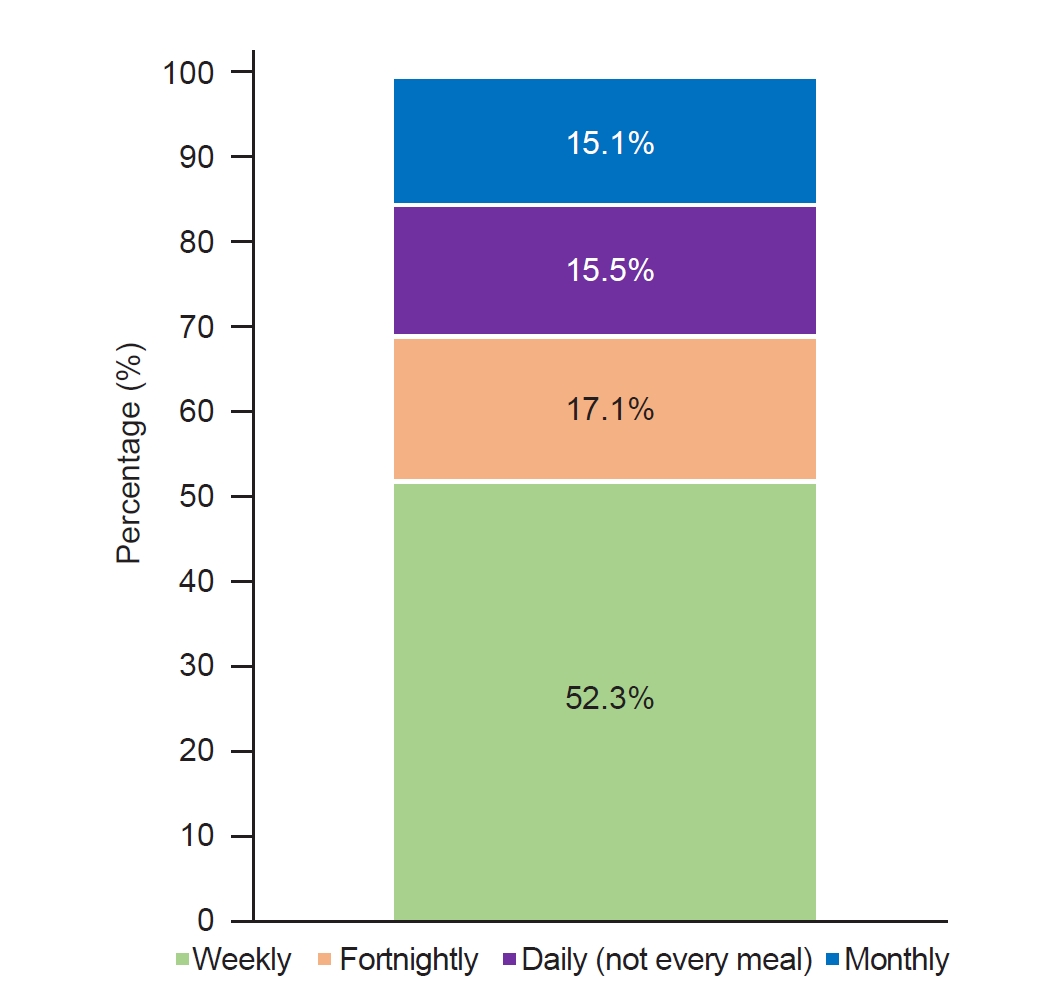
Table 3). Most omnivores, ovo-vegetarians, and pescatarians would consume meat, eggs, or seafood once weekly followed by fortnightly consumption (
Fig. 1). All omnivores, ovo-vegetarians, and pescatarians (100%) consumed carbohydrates (chapati, bread, parantha, rice, etc.) along with meat, eggs, and seafood.
With regard to lifestyle choices, 297 patients did not respond to alcohol consumption. Out of the remaining patients, 85.1% did not claim to consume alcohol. Furthermore, 5.64% of the total study population acknowledged to have been smoking and tobacco-chewing.
In addition, 94.81% vegetarians who responded to questions regarding consumption of the NOVA food groups claimed to consume Group 1 foods, while 19.72% claimed to consume some forms of Group 4 foods. Meanwhile, 92.32% of the omnivores claimed to consume Group 1 foods, while 71.29% did not consume Group 4 foods (
Table 4).
Moreover, 62.99% of the population responded positively to exercise; among them, 65.09% were vegetarians. Of the 83.92% of patients who consumed added sugars, 57% claimed they would be able to quit sugar intake. In addition, 50.04% of patients consumed some form of packaged foods. UPF was consumed by only 30.53% of the cohort daily, 32.87% weekly, and 26.34% monthly. Different combinations of oil and ghee for cooking were used by 65.94% of patients. We also found 62% of respondents who used mustard oil alone or in combination for cooking, while 20.4% used ghee alone or in combination with mustard oil. Meanwhile, 58.62% of the respondents consumed food from restaurants occasionally.
Compared with vegetarians, omnivores had 36% lower odds of developing DM and 39% lower odds of developing hypertension. The odds of developing heart disease did not significantly differ between the two groups. These odds were unadjusted and derived from cross-sectional data. After adjustment for age, sex, smoking status, sugar and alcohol consumption, exercise, and packaged food consumption, aORs were 0.94 (95% CI, 0.86–1.03; P=0.180), 0.91 (95% CI, 0.83–1.00; P=0.052), and 1.02 (95% CI, 0.92–1.13; P=0.690) for DM, hypertension, and heart disease, respectively (
Table 5).
DISCUSSION
To the best of our knowledge, this study is the first to describe dietary and lifestyle preferences in patients with established NCDs presenting to an emergency department in India. Majority of these patients were vegetarians, consistent with the previous documentations of Indian diets being mostly vegetarian alongside sweets and snacks [
9]. Our cohort had a propensity to consume added sugar, too. Cereals and grains are the staple food of India, contributing to the bulk of the Indians’ caloric intake. All of our patients who consumed meat, eggs, or seafood also consumed these carbohydrates. Interestingly, majority of our cohort responded to consuming mostly unprocessed foods, be it vegetarian or omnivore. Hypertension, DM, and heart disease were the three most common NCDs reported by our study population, with their frequency higher than that reported by general population studies in India. The prevalence rate of hypertension is 13.9%–46.3% in urban India and 4.5%–58.8% in rural India [
12]. The Indian Council of Medical Research–India Diabetes survey reported a prevalence of only 11.4%, whereas the
Lancet Global Health reported 19.8% [
6,
13]. Regarding cardiovascular diseases, including heart disease, a review by Shannawaz et al. [
14] reported a pooled prevalence of 11% in India.
In an Indian epidemiological study by Malhotra [
15], animal fat intake is inversely associated with ischemic heart disease. Most of the participants in the present study did not consume animal fats. Even those who consumed some form of eggs, meat, or seafood did so less frequently. India’s dietary guidelines promote a whole food-based diet with special focus on cereals, grains, legumes, fruits, and vegetables [
10]. Majority of our vegetarian participants claimed to consume unprocessed whole foods (NOVA food group 1), while approximately 20% claimed to consume UPF. Despite consuming predominantly minimally processed foods, they had established NCDs.
Our omnivore, ovo-vegetarian, and pescatarian participants were “plant-based” while consuming meat, eggs, or fish mostly once a week only, often along with carbohydrate-containing foods. Carbohydrates are metabolized into glucose before undergoing glycolysis, which leads to hyperinsulinemia as a result of chronic consumption [
16]. Historically, high sucrose consumption has been associated with the development of occlusive atherosclerotic disease [
17]. In our cohort, reported carbohydrate consumption was ubiquitous, and added sugar consumption was common. A combination of a high carbohydrate diet and added sugars appeared to be associated with NCD development, as suggested by previous research [
8,
16,
17]. However, given our cross-sectional study design, we cannot establish a causal relationship between these dietary practices and NCDs for our cohort. Conversely, low carbohydrate diets have been successfully used for DM remission [
18,
19], and they have been shown to improve cardiovascular risk factors [
20]. Smoking is a major risk factor for cancer and cardiovascular diseases [
21]. Surprisingly, only a small fraction (5.64%) of our respondents reported smoking or chewing tobacco. Majority of our respondents consumed added sugars in the form of table sugar, jaggery, and Indian desserts, in their tea or coffee (most common answer), and also as artificial sugar substitutes. A recent meta-analysis of prospective cohort studies concluded that sugar-sweetened beverages and fruit juices are directly associated with DM risk [
22].
Previous studies have reported associations between the consumption of UPF with the development of MetS, DM, heart disease, cancer, obesity and even depression [
3,
23,
24]. Half our population consumed UPF in packaged form. More than half the study population engaged in exercise. Meanwhile, majority used mustard oil (most common) and ghee as their cooking medium. Mustard oil contains a high proportion of erucic acid, a naturally occurring, nonbranched, monounsaturated fatty acid with 22 carbons and a cis-configured double bond on the 13th carbon. Indians have consumed this oil for centuries. Although rodents who were fed rapeseed oil (also contains erucic acid) developed myocardial lipidosis in previous studies [
25], the results were not reproducible on primates or pigs [
26]. Currently, no human studies have demonstrated any adverse effects of mustard oil or high erucic acid levels on the heart. In fact, a randomized double-blind placebo-controlled study demonstrated cardioprotective effects of fish oil and mustard oil on patients with acute myocardial infarction compared with those of placebo [
27].
On average, India’s daily diet in 1961 comprised grains (43%, 378 g), produce (23%, 199 g), dairy and eggs (12%, 108 g), sugar and fat (12%, 108 g), meat (2%, 17 g), and others (8%, 68 g). In 2011, it comprised produce (34%, 450 g), grains (32%, 416 g), eggs and dairy (18%, 235 g), sugar and fat (10%, 129 g), meat (2%, 29 g), and others (4%, 58 g). As per the Food and Agriculture Organization’s food balance sheet for India [
28], this country remains to have a cereal-dominated dietary pattern, with carbohydrates accounting for 62%–67% of the caloric intake. In a study by Shridhar et al. [
29], vegetarians consumed a median carbohydrate intake of 431.5 g/day, whereas omnivores consumed 426 g/day, similar to our participants who all consumed high amounts of carbohydrates. Recent guidelines developed by the U.S. mark a paradigm shift focusing on high-quality proteins from animal products and reducing cereal and grain intake. Generally, vegetarian diets heavily rely on cereals and plant-based foods, which have a lower bioavailability of essential nutrients such as complete amino acids, vitamin B
12, heme iron, retinol, vitamin D
3, zinc, eicosapentaenoic acid, and docosahexaenoic acid. These nutrients are essential in metabolic, neurological, and cardiovascular health. Lower intake and bioavailability of these nutrients may contribute to metabolic dysfunctions.
This study has certain limitations. For example, it was epidemiological and cross-sectional in design, which precludes determination of temporal relationships or causality between dietary preferences and metabolic diseases. In addition, reverse causation may be possible, considering that patients might have changed diets or habits after their diagnosis. Any changes in dietary preference over their lifetime were not recorded. Furthermore, convenience sampling was conducted by emergency physicians on shift. During some busy shifts, they could not recruit patients, thereby reducing our sample size and potentially skewing results. This patient selection approach could also have led to recruitment bias at some level. Despite controlling for it by including only patients who had documented evidence of their previous conditions, recall bias for comorbid conditions could still have occurred. Thus, the difference in the frequencies of hypertension, DM, and heart disease as compared with previous studies should be interpreted in the context of our hospital-based cohort of patients with established comorbidities rather than as estimates of disease prevalence in the general population. Moreover, reliability of the answers provided by the next of kin of patients unable to answer can be questioned. Patients could have had a healthy user bias while responding to questions on smoking, alcohol, and diet and may have responded differently. Additionally, this is a single-center study, which limits the nationwide generalizability of the findings.
In conclusion, our study provided interesting insights into dietary and lifestyle preferences of patients with NCDs and metabolic diseases presenting to our emergency department. In India, dietary patterns such as vegetarianism may be influenced by cultural, familial, and religious practices established early in life and maintained over long periods of time. Nonetheless, given that we did not assess the duration of dietary adherence and any changes, the reported dietary pattern reflecting as a lifelong or long-standing habit remains uncertain. Of note, a large proportion of our patients suffering from NCDs reported following vegetarian diets, consuming minimally processed foods, and engaging in exercise while also reporting low rates of smoking and alcohol consumption. In other words, vegetarian diet alone did not prevent NCDs in our study population. Therefore, in this cohort, the presence of NCDs and metabolic diseases cannot be explained solely by deviations from traditionally recommended dietary or lifestyle practices. However, given that the duration of dietary adherence was not explicitly assessed, temporal relationships cannot be effectively established. In addition, carbohydrate intake was high in this study population, consistent with historical consumption and Indian guidelines. To validate our findings, similar studies should be conducted in multiple centers across India.
NOTES
-
Author Contributions
Conceptualization: AV, SK. Data curation: AV, SK, PK. Formal analysis: AV, PK. Investigation: AV, SK, SJ. Methodology: AV, SK. Project administration: AV, SK, SJ. Resources: AV, SJ. Supervision: AV, SJ. Writing - original draft: AV. Writing - review & editing: AV, SK, SJ, PK. All authors read and approved the final manuscript.
-
Conflict of Interest
None.
-
Funding
None.
-
Data availability
Data of this research are available from the corresponding author upon reasonable request.
Fig. 1.Frequency of overall consumption of meat, eggs, and seafood by omnivores, ovo-vegetarians, and pescatarians.
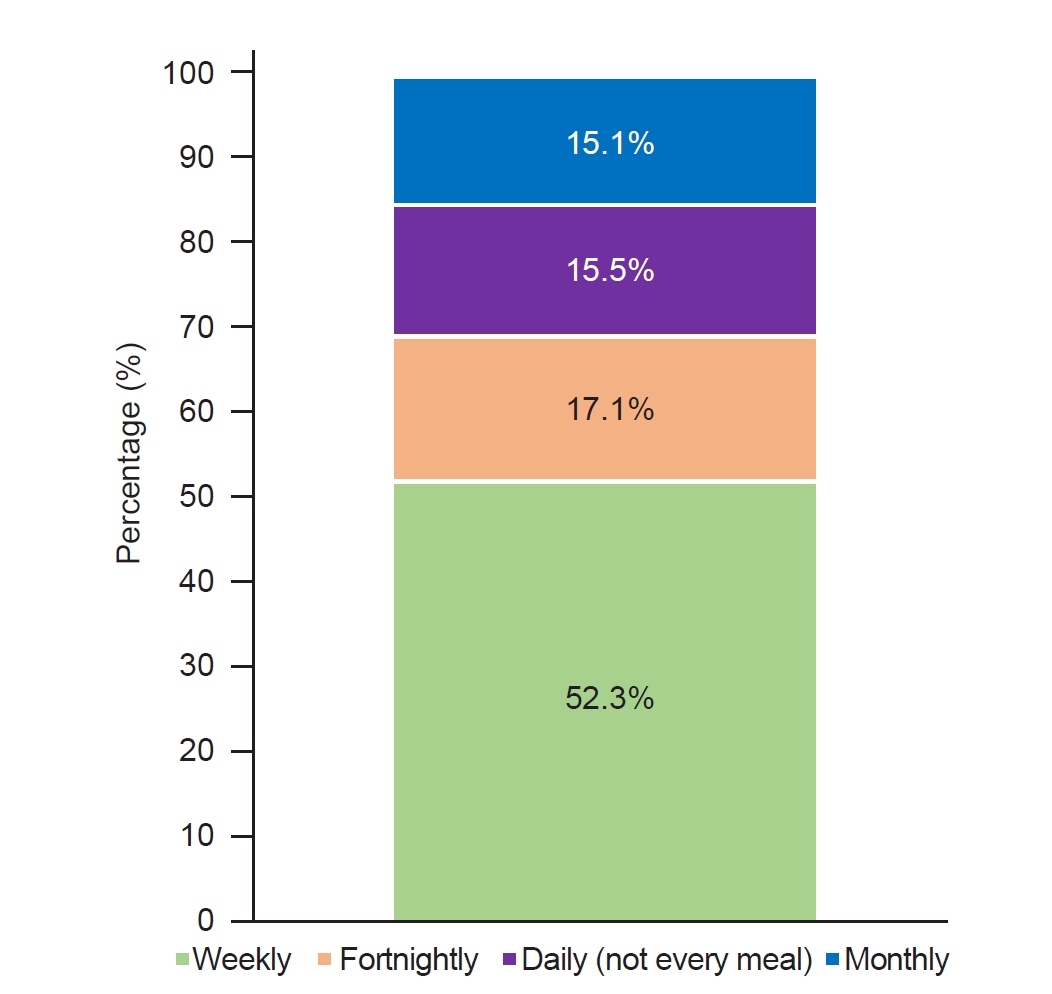
Table 1.Gender and age distribution of participants and prevalence of comorbid conditions by gender (n=11,011)
Table 1.
|
Variable |
Value |
|
Gender, No. (%) |
|
|
Male |
6,090 (55.31) |
|
Female |
4,915 (44.64) |
|
Undisclosed |
5 (0.05) |
|
Transsexual |
1 (0.01) |
|
Age group (yr), No. (%) |
|
|
18–20 |
29 (0.26) |
|
21–30 |
227 (2.06) |
|
31–40 |
725 (6.58) |
|
41–55 |
2,440 (22.16) |
|
>55 |
7,588 (68.91) |
|
Not reported |
2 (0.02) |
|
Comorbidity category (%)a)
|
|
|
Diabetes mellitus + hypertension |
|
|
Male |
17.2 |
|
Female |
16.5 |
|
Hypertension only |
|
|
Male |
21.8 |
|
Female |
23.7 |
|
Diabetes mellitus only |
|
|
Male |
12.9 |
|
Female |
11.9 |
|
Diabetes mellitus + hypertension + other conditions |
|
|
Male |
5.2 |
|
Female |
8.9 |
|
Heart disease |
|
|
Male |
31.3 |
|
Female |
19.5 |
|
Asthma |
|
|
Male |
2.0 |
|
Female |
2.1 |
|
Thyroid disorders |
|
|
Male |
2.1 |
|
Female |
9.9 |
|
Stroke |
|
|
Male |
2.0 |
|
Female |
0.9 |
|
Cancer |
|
|
Male |
4.6 |
|
Female |
4.3 |
|
Other single and multiple comorbidities |
|
|
Male |
1.1 |
|
Female |
2.2 |
Table 2.Comorbid conditions of the participants
Table 2.
|
Variable |
No. (%) |
|
Overall comorbid conditions |
|
|
Hypertension |
6,893 (62.6) |
|
Diabetes mellitus |
5,491 (49.9) |
|
Heart disease |
2,863 (26.0) |
|
Thyroid disorders |
1,732 (15.7) |
|
Cancer |
937 (8.5) |
|
Stroke |
749 (6.8) |
|
Asthma |
598 (5.4) |
|
Comorbidity combinations |
|
|
Diabetes mellitus + hypertension |
2,611 (23.7) |
|
Hypertension only |
2,490 (22.6) |
|
Other combinationsa)
|
1,677 (15.2) |
|
Diabetes mellitus only |
1,370 (12.4) |
|
Heart disease + diabetes + hypertension |
1,198 (10.9) |
|
Heart disease only |
759 (6.9) |
|
Heart disease + hypertension |
594 (5.4) |
|
Heart disease + diabetes mellitus |
312 (2.8) |
Table 3.Dietary preferences of the participants
Table 3.
|
Dietary preference |
No. (%) |
|
Vegetarian |
7,253 (65.87) |
|
Omnivore |
3,190 (28.97) |
|
Ovo-vegetarian |
551 (5.00) |
|
Lacto-ovo vegetarian |
5 (0.05) |
|
Vegan |
5 (0.05) |
|
Pescatarian |
3 (0.03) |
|
Paleo |
2 (0.02) |
|
Flexitarian |
2 (0.02) |
|
Total |
11,011 (100) |
Table 4.NOVA group 1 and 4 consumption in vegetarians and omnivores
Table 4.
|
Group |
Total |
No. (%) |
|
No |
Yes |
|
Vegetarian + NOVA 1 |
7,168 |
372 (5.19) |
6,796 (94.81) |
|
Vegetarian + NOVA 4 |
7,169 |
5,755 (80.28) |
1,414 (19.72) |
|
Omnivore + NOVA 1 |
3,166 |
243 (7.68) |
2,923 (92.32) |
|
Omnivore + NOVA 4 |
3,159 |
2,252 (71.29) |
907 (28.71) |
Table 5.Comparison of uOR and aOR for developing diabetes mellitus, hypertension, and heart disease between omnivores and vegetarians
Table 5.
|
Exposure |
Reference |
Outcome |
uOR (95% CI) |
aOR (95% CI) |
|
Omnivore |
Vegetarian |
Diabetes mellitus |
0.64 (0.59–0.70) |
0.94 (0.86–1.03 |
|
Omnivore |
Vegetarian |
Hypertension |
0.61 (0.57–0.66) |
0.91 (0.83–1.00) |
|
Omnivore |
Vegetarian |
Heart disease |
1.04 (0.87–1.24) |
1.02 (0.92–1.13) |
REFERENCES
- 1. Li J, Pandian V, Davidson PM, Song Y, Chen N, Fong DYT. Burden and attributable risk factors of non-communicable diseases and subtypes in 204 countries and territories, 1990-2021: a systematic analysis for the Global Burden of Disease Study 2021. Int J Surg 2025;111:2385-97.
- 2. Anjana RM, Sudha V, Abirami K, et al. Dietary profiles and associated metabolic risk factors in India from the ICMR-INDIAB survey-21. Nat Med 2025;31:3813-24.
- 3. Shu L, Zhang X, Zhou J, Zhu Q, Si C. Ultra-processed food consumption and increased risk of metabolic syndrome: a systematic review and meta-analysis of observational studies. Front Nutr 2023;10:1211797.
- 4. Hamooya BM, Siame L, Muchaili L, Masenga SK, Kirabo A. Metabolic syndrome: epidemiology, mechanisms, and current therapeutic approaches. Front Nutr 2025;12:1661603.
- 5. Esmailnasab N, Moradi G, Delaveri A. Risk factors of non-communicable diseases and metabolic syndrome. Iran J Public Health 2012;41:77-85.
- 6. Vitale E, Rizzo A, Santa K, Jirillo E. Associations between "cancer risk", "inflammation" and "metabolic syndrome": a scoping review. Biology (Basel) 2024;13:352.
- 7. Krishnamoorthy Y, Rajaa S, Murali S, Rehman T, Sahoo J, Kar SS. Prevalence of metabolic syndrome among adult population in India: a systematic review and meta-analysis. PLoS One 2020;15:e0240971.
- 8. Clemente-Suarez VJ, Mielgo-Ayuso J, Martin-Rodriguez A, Ramos-Campo DJ, Redondo-Florez L, Tornero-Aguilera JF. The burden of carbohydrates in health and disease. Nutrients 2022;14:3809.
- 9. Raghuram N, Anand A, Mathur D, et al. Prospective study of different staple diets of diabetic Indian population. Ann Neurosci 2021;28:129-36.
- 10. Indian Council of Medical Research–National Institute of Nutrition (ICMR-MIN). Dietary guidelines for Indians [Internet]. ICMR-MIN; 2024 [cited 2026 Jul 1]. Available from: https://nin.res.in/dietaryguidelines/pdfjs/locale/DGI_2024.pdf
- 11. Monteiro CA, Cannon G, Levy RB, et al. Ultra-processed foods: what they are and how to identify them. Public Health Nutr 2019;22:936-41.
- 12. Uthakalla VK, Naidana PS, Yendapu RS, Pissey SS, Devireddi CUSK. Prevalence of hypertension among the rural adult population in India: a systematic review and meta-analysis. Cureus 2024;16:e69942.
- 13. Sekher TV, Flood D, Green H, et al. Prevalence, awareness, treatment, and control of diabetes in India: a nationally representative survey of adults aged 45 years and older. Lancet Glob Health 2025;13:e1543-52.
- 14. Shannawaz M, Rathi I, Shah N, Saeed S, Chandra A, Singh H. Prevalence of CVD among Indian adult population: systematic review and meta-analysis. Int J Environ Res Public Health 2025;22:539.
- 15. Malhotra SL. Epidemiology of ischaemic heart disease in India with special reference to causation. Br Heart J 1967;29:895-905.
- 16. Moore MC, Coate KC, Winnick JJ, An Z, Cherrington AD. Regulation of hepatic glucose uptake and storage in vivo. Adv Nutr 2012;3:286-94.
- 17. Yudkin J, Roddy J. Levels of dietary sucrose in patients with occlusive atherosclerotic disease. Lancet 1964;2:6-8.
- 18. Kelly T, Unwin D, Finucane F. Low-carbohydrate diets in the management of obesity and type 2 diabetes: a review from clinicians using the approach in practice. Int J Environ Res Public Health 2020;17:2557.
- 19. Verma A. Reversing 20 years of diabetes using the carnivore diet in India: a case report. Clin Nutr Res 2026;15:72-8.
- 20. Hu T, Bazzano LA. The low-carbohydrate diet and cardiovascular risk factors: evidence from epidemiologic studies. Nutr Metab Cardiovasc Dis 2014;24:337-43.
- 21. Gallucci G, Tartarone A, Lerose R, Lalinga AV, Capobianco AM. Cardiovascular risk of smoking and benefits of smoking cessation. J Thorac Dis 2020;12:3866-76.
- 22. Della Corte KA, Bosler T, McClure C, et al. Dietary sugar intake and incident type 2 diabetes risk: a systematic review and dose-response meta-analysis of prospective cohort studies. Adv Nutr 2025;16:100413.
- 23. Moradi S, Hojjati Kermani MA, Bagheri R, et al. Ultra-processed food consumption and adult diabetes risk: a systematic review and dose-response meta-analysis. Nutrients 2021;13:4410.
- 24. Srour B, Fezeu LK, Kesse-Guyot E, et al. Ultra-processed food intake and risk of cardiovascular disease: prospective cohort study (NutriNet-Santé). BMJ 2019;365:l1451.
- 25. Charlton KM, Corner AH, Davey K, Kramer JK, Mahadevan S, Sauer FD. Cardiac lesions in rats fed rapeseed oils. Can J Comp Med 1975;39:261-9.
- 26. Ackman RG, Loew FM. The effects of high levels of fats rich in erucic acid (from rapeseed oil) or cetoleic and cetelaidic acids (from partially hydrogenated fish oil) in a short‐term study in a non‐human primate species I. Fette, Seifen, Anstrichm 1977;79:15-24.
- 27. Singh RB, Niaz MA, Sharma JP, Kumar R, Rastogi V, Moshiri M. Randomized, double-blind, placebo-controlled trial of fish oil and mustard oil in patients with suspected acute myocardial infarction: the Indian experiment of infarct survival-4. Cardiovasc Drugs Ther 1997;11:485-91.
- 28. Food and Agriculture Organization of the United Nations (FAO). FAOSTAT Food Balance Sheets: India country profile and dietary supply data, 2011-2023. FAO; 2024.
- 29. Shridhar K, Dhillon PK, Bowen L, et al. Nutritional profile of Indian vegetarian diets--the Indian Migration Study (IMS). Nutr J 2014;13:55.